

I burned my very first batch of high-protein egg white bites so badly that my kitchen smelled like a campfire for two whole days. Not my finest morning, ngl, but that little disaster is honestly the reason this recipe turned out so good. I went back and tested water bath temps, muffin tin sizes, and ingredient ratios until I landed on the version I’m sharing with you today.
These bites have basically taken over my weekday breakfasts. You know the mornings, I mean — coffee in one hand, half-awake, standing in front of the fridge needing something that isn’t another granola bar. They’re fluffy on the outside, a little custardy and soft in the middle, and they hold enough protein to genuinely keep me full until lunch.
And if you’ve ever paid almost five bucks for the Starbucks egg white bites and thought, “I could probably make these at home,” you’re right. You can. And yours are going to taste better, I promise.
What Makes These High-Protein Egg White Bites So Good
Most healthy egg bite recipes lean on heavy cream or whole milk to get that soft, custardy texture, which is fine, but it also adds fat you don’t necessarily need. This version uses cottage cheese instead, blended completely smooth, so you get the same creamy bite plus a solid protein boost without any weird tang.
One batch gives you roughly 12-13 grams of protein per bite, depending on your mix-ins, which puts this squarely in protein breakfast recipe territory rather than just “eggs, but cuter.” They’re soft, a little jiggly right out of the oven, and they firm up nicely as they cool — kind of like a savory little custard cup.
Honestly, I think people overcomplicate egg white bites. You don’t need a fancy sous vide machine or a $40 egg cooker. A regular muffin tin and your oven will get you there.
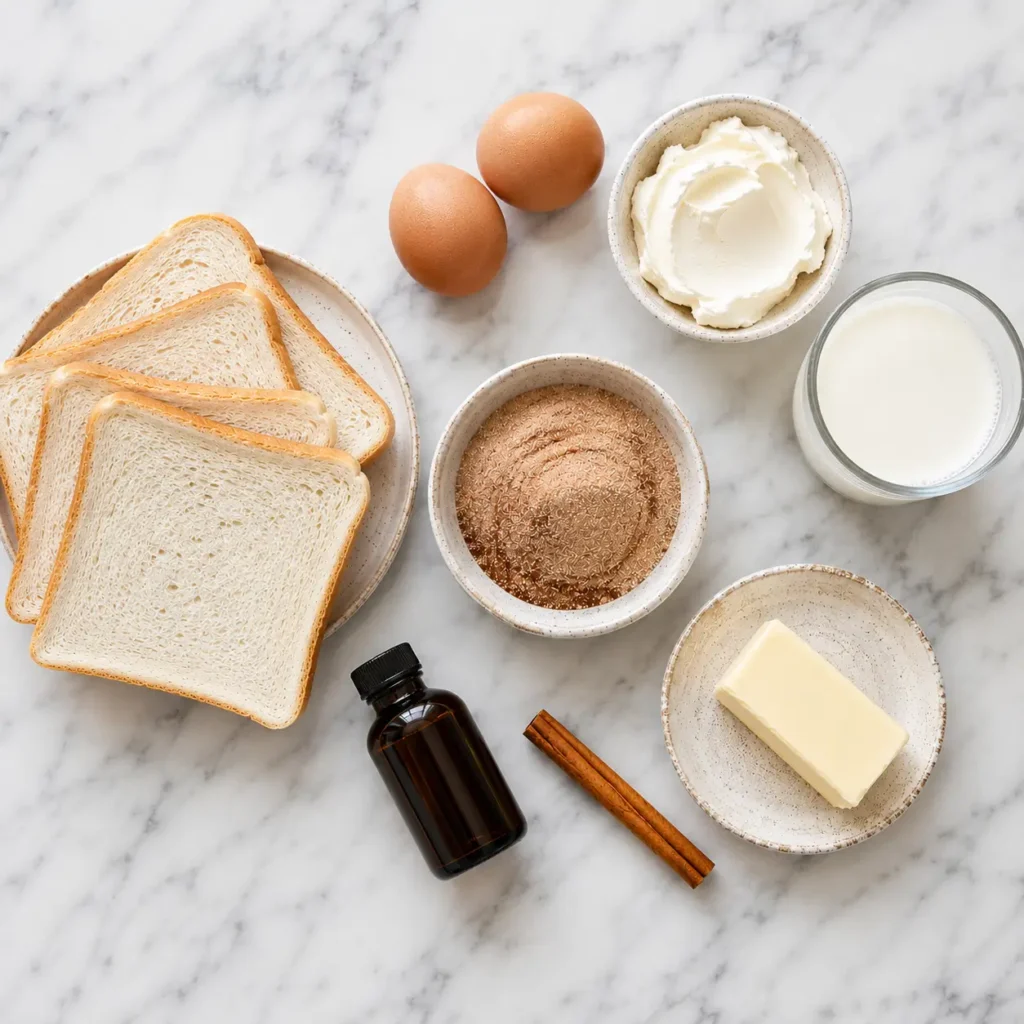
Ingredients for High-Protein Egg White Bites
The Base
You’ll need liquid egg whites (the carton kind is easiest, though separating your own eggs works too), low-fat cottage cheese, a pinch of salt, black pepper, and a small splash of milk if you want them slightly lighter. That’s it for the core of the recipe — simple on purpose.
Add-Ins and Flavor
This is where you can really make it yours. I usually go with shredded cheddar or mozzarella, diced bell peppers, and a handful of baby spinach. Sometimes I’ll throw in crumbled turkey bacon or diced ham if I’m feeling fancy. The colors matter more than you’d think — red peppers and green spinach against pale yellow egg make these look genuinely appetizing, not like sad gym food.
If you want to lean into cottage cheese egg bites specifically, just skip the shredded cheese and let the cottage cheese carry the creaminess on its own. It works beautifully and keeps things lighter.
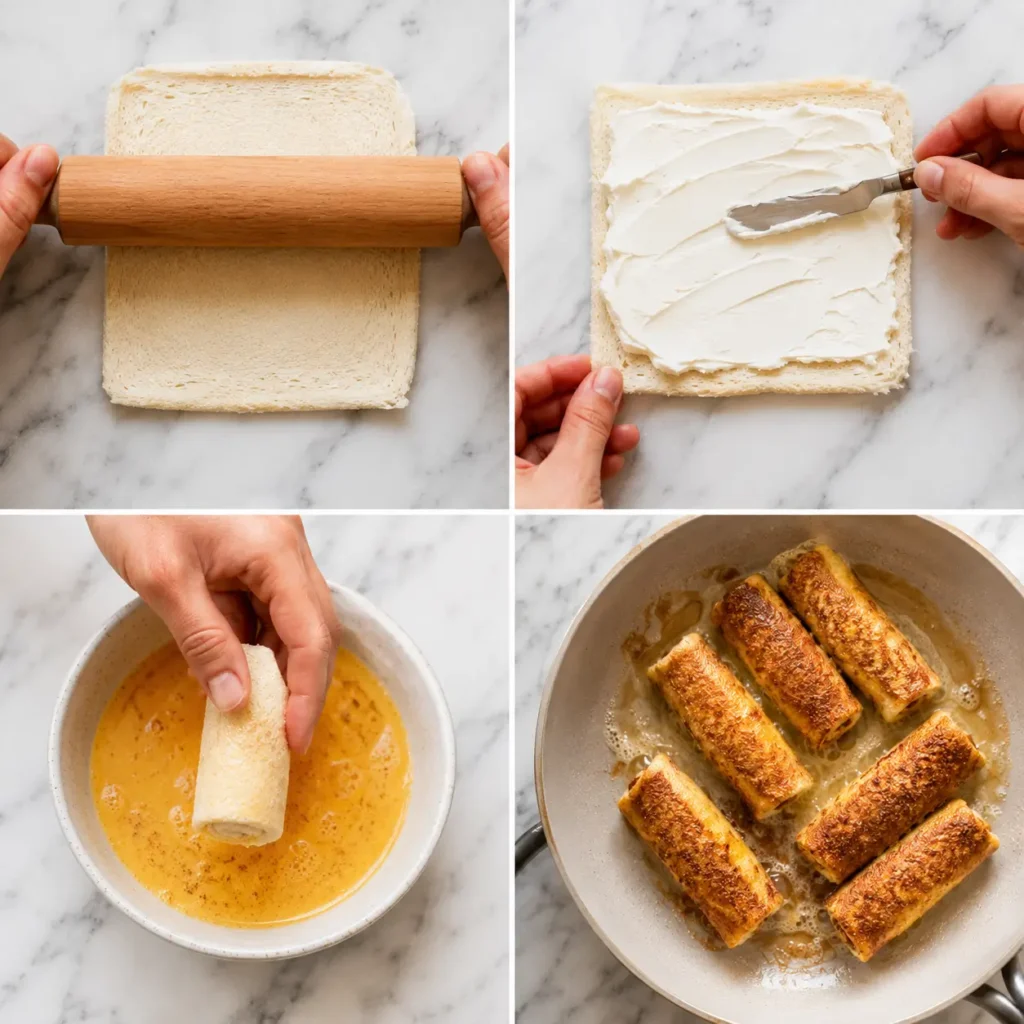
How to Make High-Protein Egg White Bites (Step by Step)
Step 1: Prep Your Pan
Preheat your oven to 325°F. Grease a regular muffin tin really well — and I mean really well, every ridge — because egg whites stick like nobody’s business. Silicone muffin cups make this a non-issue if you have them.
Step 2: Blend the Base
Add your cottage cheese, egg whites, salt, and pepper to a blender. Blend for a full 30-45 seconds until it’s completely smooth with zero visible curds. This step is non-negotiable if you want that silky Starbucks egg white bites texture instead of lumpy bits throughout.
Step 3: Add Your Mix-Ins
Scatter your cheese, veggies, and any meat into the muffin cups first, then pour the blended egg mixture over top, filling each cup about three-quarters full. They puff up more than you’d expect, so resist the urge to overfill.
Step 4: Bake With a Water Bath
Place the muffin tin inside a larger baking dish and pour hot water into the outer dish until it reaches about halfway up the muffin tin. This water bath trick is the actual secret to that soft, restaurant-style texture instead of rubbery egg bites. Bake for 20-25 minutes.
Step 5: Cool and Pop Them Out
Let them sit in the tin for about 5 minutes once they’re out of the oven — they’re fragile right away and will fall apart if you rush this part. Run a butter knife around the edges, and they should pop right out.
Tips I Learned the Hard Way
First tip, and I cannot stress this enough: blend the cottage cheese until it disappears completely. The one time I rushed this step, I ended up with little white curds scattered through every bite, and my husband asked if something was “wrong with the eggs.” Nothing was wrong. I was just lazy with the blender.
Second tip — don’t skip the water bath, even though it feels like an extra annoying step on a busy morning. I skipped it exactly once, in a hurry, and the bites came out tough and a little spongy, almost like a baked omelet that overstayed its welcome in the oven.
Third tip, and this is the one that actually caused my campfire-smoke incident from earlier: don’t overfill the muffin cups. I filled them nearly to the top once, they puffed up over the edges, dripped onto the floor of my oven, and started smoking. My smoke alarm went off at 6:45 in the morning, and my dog has never forgiven me. Three-quarters full, tops.
Easy Variations and Substitutions
No cottage cheese on hand? Ricotta works as a near-perfect swap; just blend it a little longer since it’s slightly thicker. Whole milk Greek yogurt is another option, though it brings a touch more tang.
For a Mediterranean spin, swap in feta, sun-dried tomatoes, and a little oregano. For something heartier, diced ham and cheddar make these feel closer to a baked egg white bites version of a classic breakfast sandwich. If you’d rather use whole eggs instead of just whites, that’s totally fine too — you’ll lose some of the protein boost, but the texture stays similar.
Dairy-free? Swap the cottage cheese for a plain unsweetened dairy-free yogurt and use a dairy-free cheese shred if you want that melty bite. It’s not identical, but it’s close enough that I’d serve it to guests without apologizing for it.
Common Mistakes With Egg White Bites (And How to Fix Them)
Rubbery texture almost always means overbaking, or skipping the water bath altogether. Pull them the moment they’re just set with a slight jiggle in the center — they’ll firm up more as they cool, so a little wobble is actually what you want.
Watery or weepy bites usually point to under-blended cottage cheese, or veggies that released too much moisture (looking at you, raw spinach and tomatoes). Sauté watery vegetables first and pat them dry before adding them in.
Sticking to the pan is almost always a greasing issue. Even with nonstick muffin tins, egg whites are clingy. Silicone liners genuinely solve this problem if it keeps happening to you.
Storage, Meal Prep, and Serving Ideas for Egg White Bites
These keep beautifully in the fridge for 4-5 days in an airtight container, which makes them a fantastic meal prep egg bites option for anyone trying to eat better without cooking every single morning. I usually make a double batch on Sunday and just grab two on my way out the door all week.
For longer storage, freeze them individually wrapped or in a freezer bag for up to two months. Reheat straight from frozen in the microwave for about 60-90 seconds, or let them thaw in the fridge overnight first if you’re more organized than I am on a typical Tuesday.
Serve them alongside fresh fruit, a slice of whole-grain toast, or just on their own with a little hot sauce. They also travel well, so they’re great for office breakfasts or post-workout snacks when you need something that isn’t a protein bar for the fortieth time this month.
Frequently Asked Questions About High-Protein Egg White Bites
Are egg white bites actually healthy?
Yes — they’re low in fat, high in protein, and easy to customize with vegetables, which makes this easy egg bites recipe a solid choice for breakfast, snacks, or even a light lunch.
Can I use whole eggs instead of egg whites?
Absolutely. You’ll get a slightly richer flavor and a touch less protein per bite, but the texture and baking method stay the same.
How do these compare to the Starbucks egg white bites?
Pretty favorably, if I’m being honest. The cottage cheese gives a similar creamy texture, and you control the salt, the mix-ins, and the price, which is the real win here.
Can I make egg bites without cottage cheese?
Yes, ricotta or Greek yogurt both work as substitutes, though the cottage cheese version gives the highest protein count of the bunch.
How long do high-protein egg bites last in the fridge?
About 4-5 days in a sealed container. I wouldn’t push much past that for food safety and, honestly, for texture too.
Can I freeze egg white bites?
Definitely. Freeze them individually, then reheat in the microwave whenever you need a fast breakfast egg bite moment.
Why are my egg bites rubbery instead of soft?
It’s almost always overbaking or skipping the water bath step. Pull them while the centers still have a slight jiggle and let them finish setting as they cool.
So tell me — are you team cottage cheese, or are you sticking with classic eggs all the way? I’d genuinely love to know what mix-ins you end up trying first.


High Protein Egg White Bites
Ingredients
Equipment
Method
- Preheat the oven to 325°F (163°C). Thoroughly grease a standard muffin tin or line it with silicone muffin cups.
- Add the egg whites, cottage cheese, milk (if using), salt, and black pepper to a blender. Blend for 30 to 45 seconds until completely smooth.
- Evenly divide the cheese, vegetables, and optional turkey bacon or ham among the muffin cups.
- Pour the blended egg mixture into each muffin cup, filling them about three-quarters full.
- Place the muffin tin inside a larger baking dish. Pour hot water into the outer dish until it reaches halfway up the muffin tin. Bake for 20 to 25 minutes, or until the centers are just set with a slight jiggle.
- Let the egg bites cool in the pan for 5 minutes. Loosen the edges with a butter knife if needed, then remove and serve warm or cool completely for meal prep.