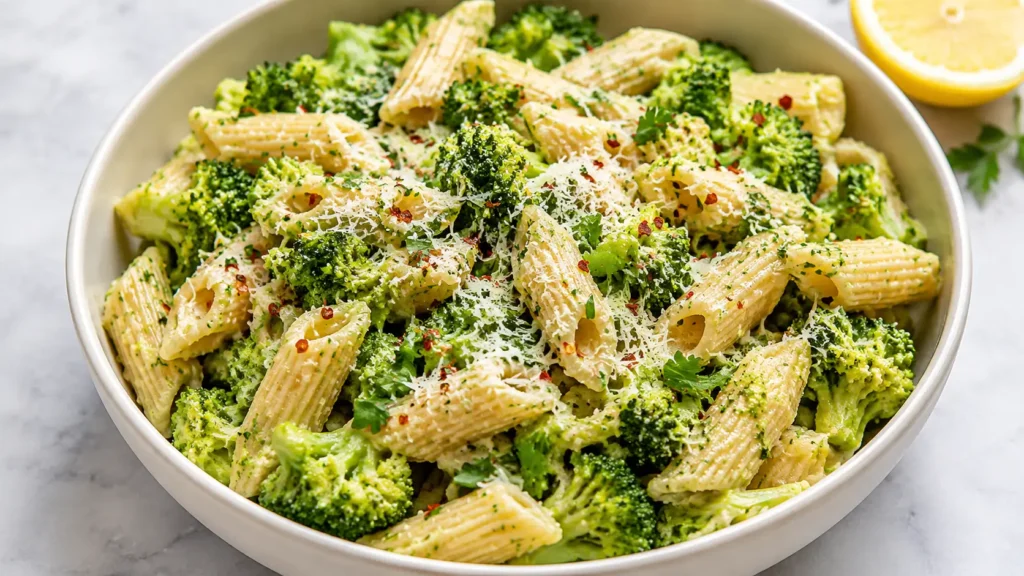
I made this broccoli chickpea pasta for the first time on a random Tuesday when my fridge was basically screaming at me — half a head of broccoli, one can of chickpeas, a lemon I’d forgotten about for two weeks, and pasta. That’s it. No plan, no recipe bookmarked. I just started cooking. And honestly? It turned out so much better than I expected that I’ve made it at least once a week since. It’s one of those recipes that doesn’t look impressive until you taste it — then you get it immediately.
Why This Combo Actually Works
Broccoli and chickpeas don’t seem like an obvious pairing at first glance. But here’s the thing — broccoli gets slightly crispy and nutty when it’s cooked properly in a hot pan, and chickpeas bring this satisfying, almost creamy bite that soaks up garlic and olive oil beautifully. Together, they create a texture contrast that makes every forkful interesting. It’s not mushy, it’s not boring, and it holds together well even after sitting for a few minutes.
This is one of those healthy family dinners, vegetarian-style meals that genuinely feel filling. No one’s walking away from this looking for something else. The pasta ties it all together and gives it that comforting, weeknight-dinner energy.
One more thing — the garlic. Don’t skip the garlic. It’s not optional. That golden, fragrant moment when the sliced garlic hits a hot, oiled pan is exactly what gives this dish its soul. More on that in a minute.
What You Need (And Why)
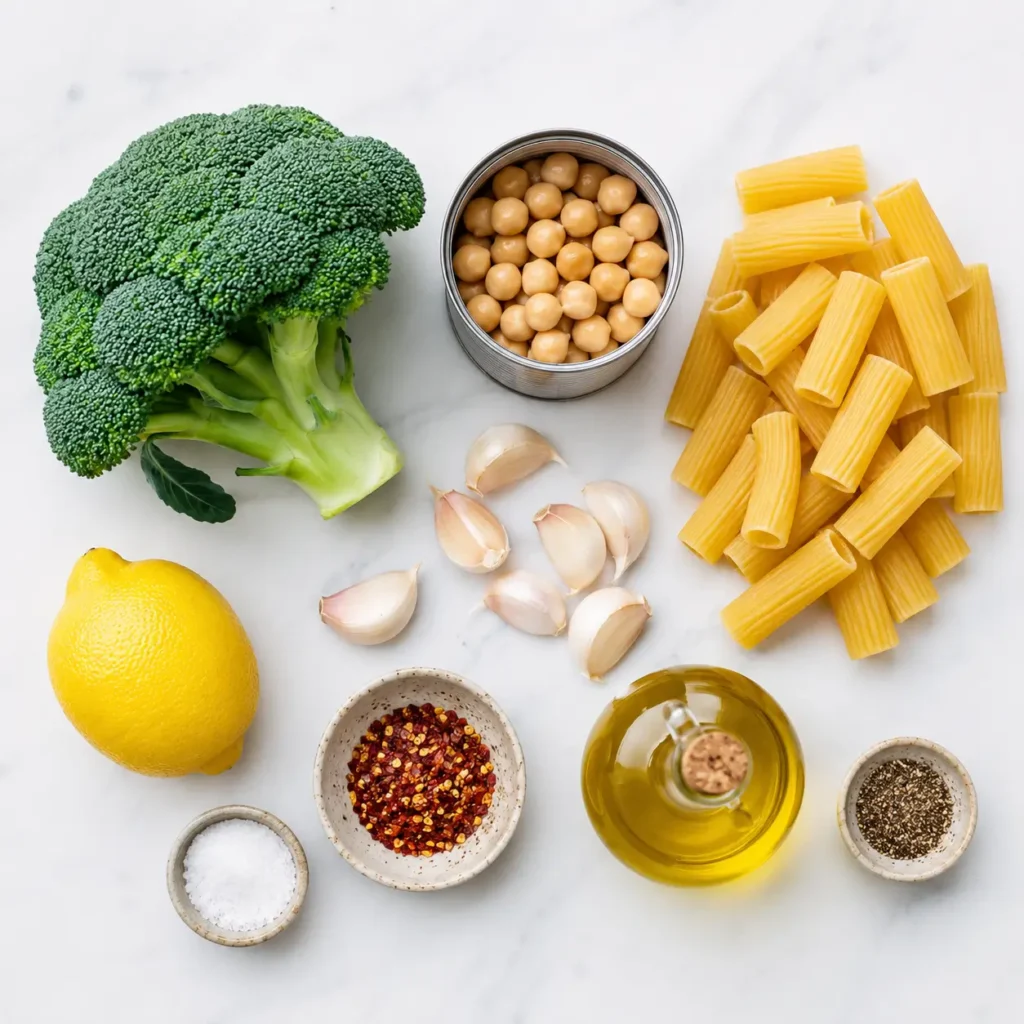
Let’s talk ingredients. This recipe is built for real pantry life, which means most of it you probably already have.
Pasta (8 oz / 225g): Short shapes work best here — rigatoni, penne, or orecchiette. They catch the chickpeas and broccoli bits and hold onto the olive oil sauce better than long noodles. If you need GF vegetarian dinner recipes, just swap in your favorite gluten-free pasta. It works perfectly fine.
Broccoli (1 large head, cut into small florets): Small florets are key — they cook faster, get more contact with the hot pan, and some of those edges will char just slightly. That’s not a mistake. That’s flavor.
Canned chickpeas (1 can, 15 oz, drained and rinsed): Pat them dry before they go in the pan. Wet chickpeas steam instead of brown, and you want a little golden crust on them. Trust me on this one — I learned the hard way.
Garlic (5–6 cloves, thinly sliced): Sliced, not minced. Sliced garlic infuses the oil more gently and doesn’t burn as quickly. It also turns golden and crispy in the pan, which you can scatter over the top at the end.
Olive oil (4–5 tablespoons): This is the sauce. Don’t be shy. Good olive oil, used generously, is what keeps this dish from feeling dry.
Lemon (1, zested and juiced): Brightness at the end is what lifts everything. Without it, the dish tastes flat. With it, everything pops.
Red pepper flakes, salt, black pepper: Season at every stage — pasta water, pan, final toss. Seasoning once at the end is never enough.
Optional but wonderful: A handful of grated Parmesan or Pecorino over the top, a few fresh basil leaves, or a drizzle of chili oil if you like heat.
How to Make Broccoli Chickpea Pasta Step by Step
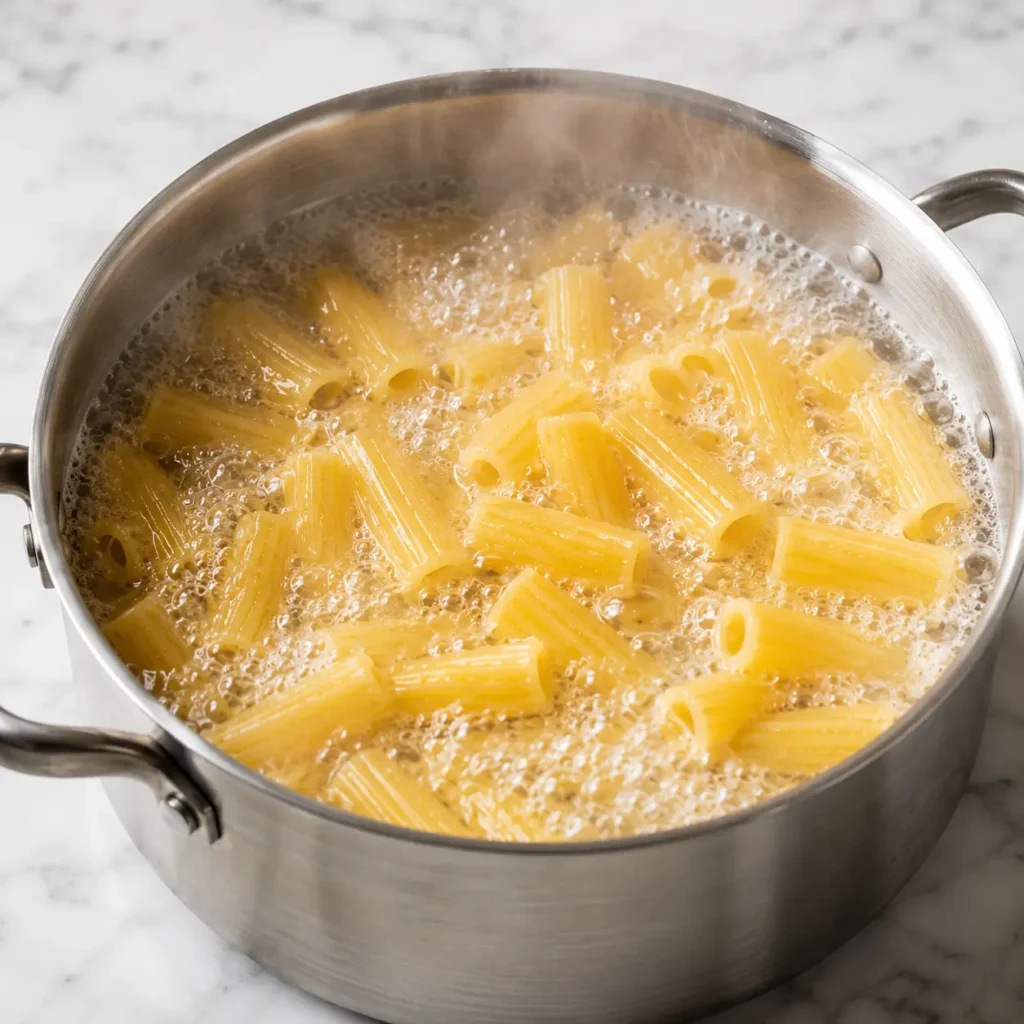
Start by bringing a large pot of very well-salted water to a boil. While that’s heating up, prep everything — dry your chickpeas, cut your broccoli into small florets, and slice the garlic thin. Getting all of this ready before you start cooking means nothing burns while you’re scrambling for the cutting board.
Once your water is boiling, drop in the pasta and cook it about 2 minutes less than the package says. You want it just shy of al dente because it’ll finish cooking in the pan later. Before you drain it, scoop out about a cup of the starchy pasta water and set it aside — this is liquid gold for the sauce.
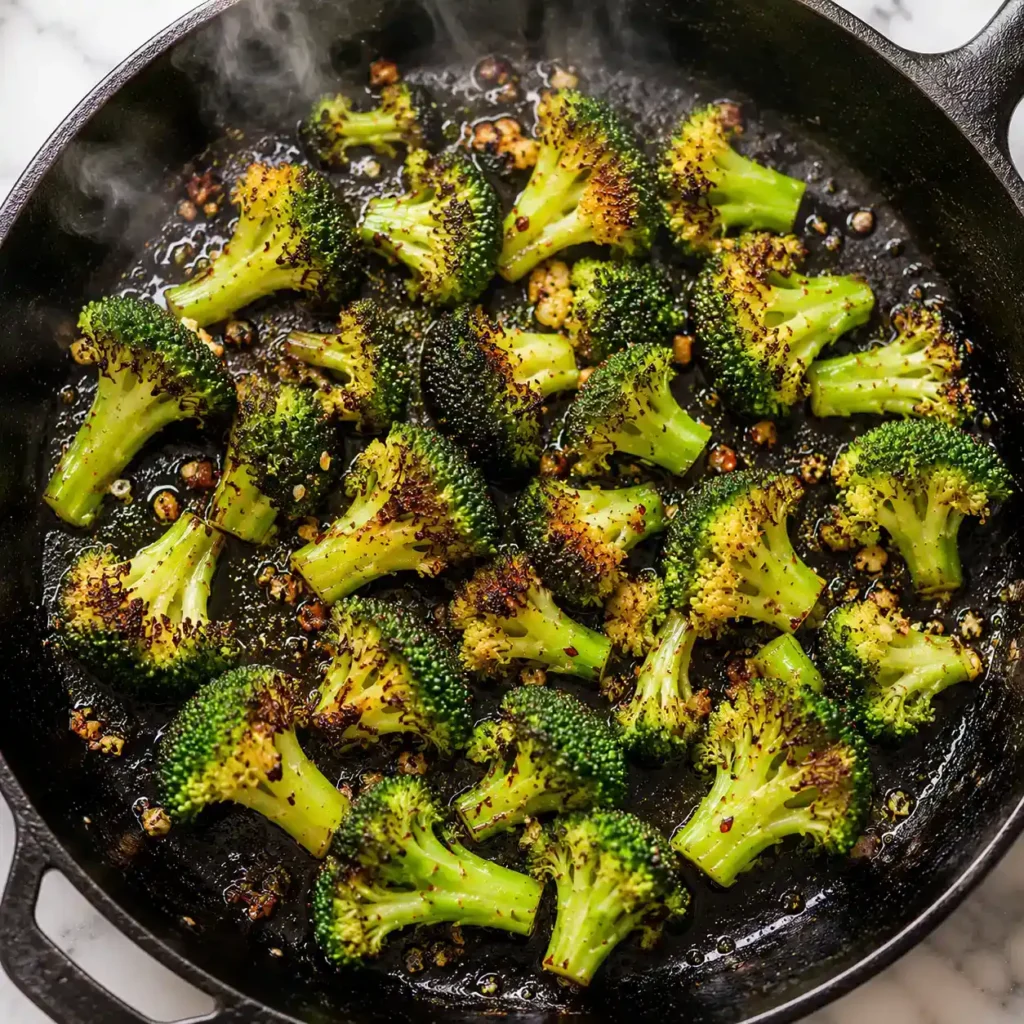
While the pasta cooks, heat a large skillet (the biggest one you have) over medium-high heat. Add 3 tablespoons of olive oil and let it get hot. Add the broccoli florets in a single layer if you can — if your pan is small, do two batches. Leave them alone for 2–3 minutes so they get some color on the bottom. Then toss and cook another 2 minutes. You want them tender but with some bite and a little char on the edges.
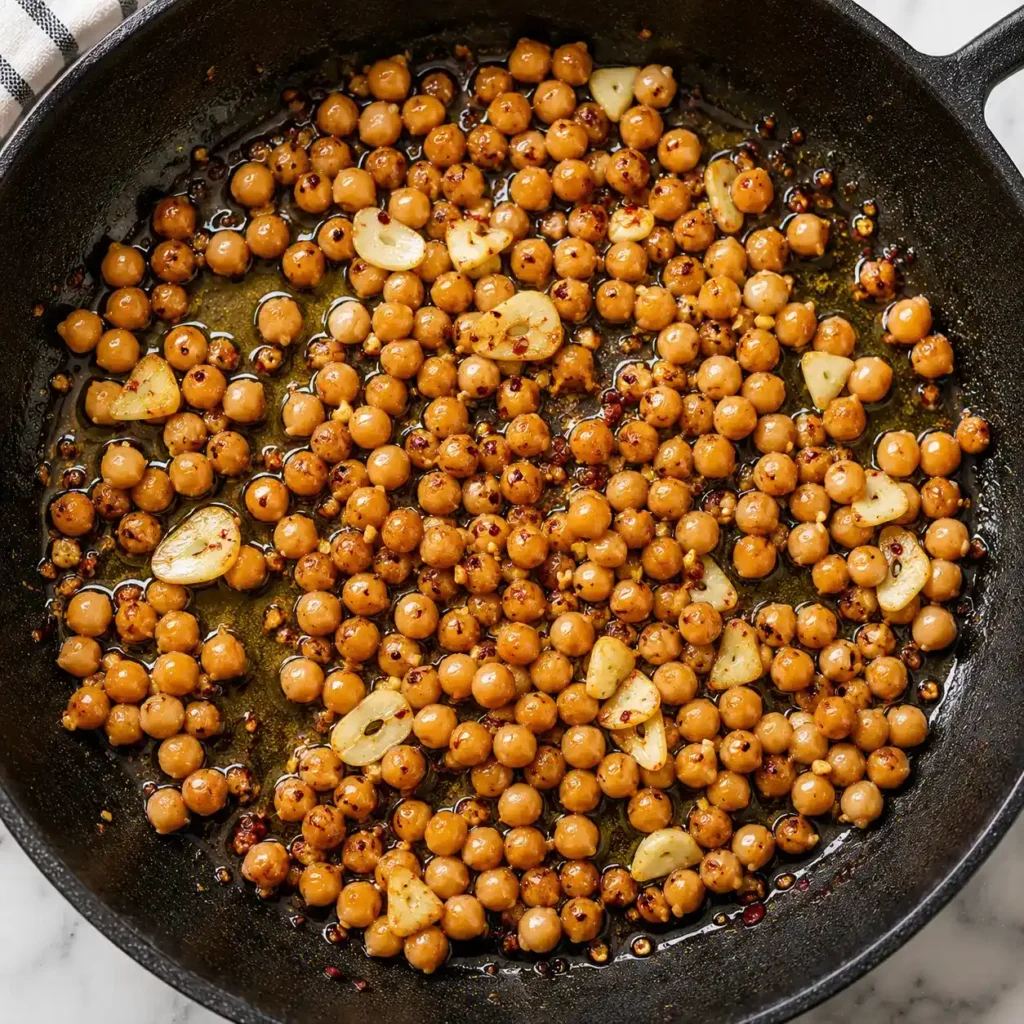
Push the broccoli to the sides of the pan. Add another tablespoon of oil in the center and add the dried chickpeas. Let them sit without stirring for 1–2 minutes so they get golden. Then add the sliced garlic and red pepper flakes, and now stir everything together. The garlic will turn fragrant and lightly golden in about 60 seconds — keep the heat at medium so it doesn’t burn.
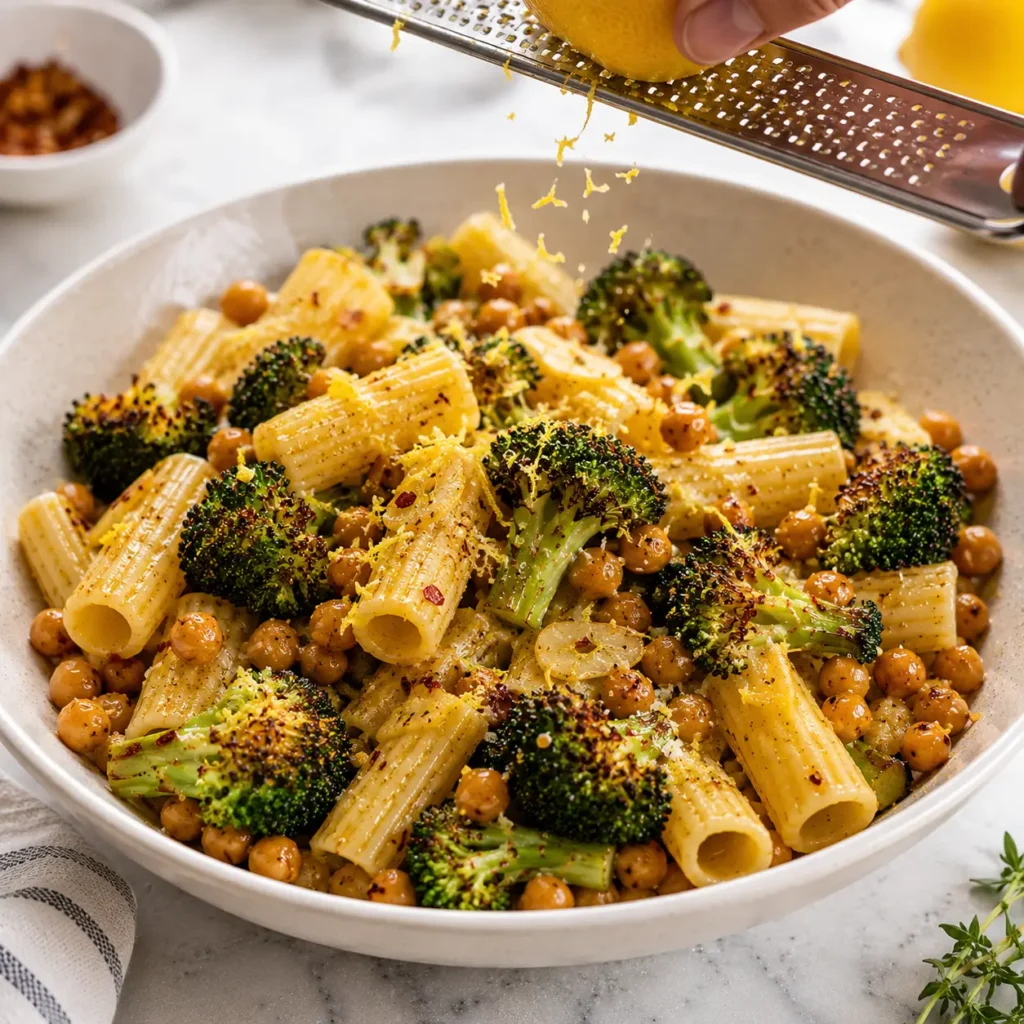
Add the drained pasta directly to the pan. Pour in about a third of your reserved pasta water and toss everything together vigorously. The starchy water will emulsify with the olive oil and coat the pasta in a silky, glossy way. Add more pasta water if it looks dry. Finish with lemon zest, a good squeeze of lemon juice, salt and pepper to taste, and a drizzle of fresh olive oil before serving.
Total time from water boiling to plate: about 25 minutes. On a busy weeknight, that’s everything.
Tips I Wish I’d Known Earlier
Dry your chickpeas properly. After rinsing them from the can, spread them on a clean kitchen towel and pat them dry. Even roll them around a little. Extra moisture is the enemy of crunch. This one step changes the texture completely — they go from mushy to slightly crispy on the outside, which is what you want against the soft pasta and tender broccoli.
Don’t crowd the broccoli. I used to dump all the broccoli in at once in a small pan and wonder why it was soggy and steamed instead of roasted. Use a large pan, or cook the broccoli in two batches. The hot pan and direct contact are what create those caramelized edges. Crowding traps steam and ruins that texture.
Save more pasta water than you think you need. I always scoop out a full cup, sometimes more. You might only use half, but if you run short mid-toss and the pasta starts sticking and going gluey, you’ll wish you had more on hand. It’s also the secret to making this dish feel saucy without cream or butter.
Season your pasta water generously. I know everyone says this, but I mean really generously — it should taste noticeably salty, like ocean water. Pasta absorbs flavor as it cooks, and if you under-salt the water, you’ll spend the rest of the dish trying to play catch-up. As a fiber dinner idea, this whole bowl delivers legumes, vegetables, and complex carbs — seasoned well, it’s genuinely satisfying.
Ways to Switch It Up
This recipe is a solid base,e and it’s meant to be flexible. A few variations I’ve tried and actually liked:
Add sun-dried tomatoes. Stir a few tablespoons of chopped sun-dried tomatoes in with the garlic. They add a sweet-acidic depth that’s really good against the nuttiness of the chickpeas.
Make it creamy. Stir in 2–3 tablespoons of cream cheese or mascarpone at the end, right before you add the lemon. It turns into a glossy, rich sauce without making it heavy. A surprisingly good move for cold-weather evenings.
Go green. Add a handful of fresh spinach or arugula to the pan right at the end, just before tossing with pasta. The residual heat wilts it in about 30 seconds. Good way to pack in more greens without doing extra cooking — this kind of approach makes it an ideal meatless dinner recipe for family nights when you need something nutritious fast.
Spice it up. Add a teaspoon of smoked paprika or a generous squeeze of harissa paste with the garlic. Takes it in a completely different direction — more smoky, more complex, still very good.
Make it a one-bowl lunch. This works great as vegetarian dinners for two, the night you make it, then cold for lunch the next day. Somehow, the flavors deepen overnight. Drizzle fresh olive oil on the cold pasta before eating — transforms it.
Ingredient Swaps That Actually Work
Out of something? Here’s what I’ve tested and can confirm works without compromising the dish much.
No fresh broccoli? Frozen broccoli works, though you’ll get less caramelization. Thaw it first and dry it thoroughly before it goes in the hot pan. The texture will be softer, but the flavor is still good. Broccolini also works beautifully here — it’s sweeter and cooks a little faster.
No chickpeas? White beans (cannellini) are a very close substitute — same creamy texture, similar flavor profile. Lentils also work,k but they’re softer, so be careful not to over-stir,ir or they break apart. This is still solidly in the territory of legume recipes, healthy and easy with any of those swaps.
No lemon? A splash of white wine vinegar added at the end gives you the same brightness. Or a tablespoon of capers — they bring acidity and brininess that works surprisingly well with garlic and olive oil.
Want it vegan? Skip the Parmesan at the end and use nutritional yeast instead. Two tablespoons stirred in gives you that savory, cheesy depth. It’s a common swap, and it holds up well here. This is already a great low-cal vegetarian dinner option — the nutritional yeast version keeps it firmly plant-based without sacrificing flavor.
When Things Go Wrong (And How to Fix Them)
The pasta is dry and clumping. You didn’t add enough pasta water. Splash in a few tablespoons, put the pan back on low heat, and toss. The starch in the water will re-loosen everything. Don’t add plain tap water — it dilutes without binding.
The garlic burned. This happened to me twice before I figured out the timing. If your garlic goes black, take the pan off the heat immediately, remove the burned garlic, and start fresh with new garlic in a slightly cooler pan. Burned garlic is bitter, and it’ll make the whole dish taste acrid. You can’t save it by adding more oil — just start the garlic over. The broccoli and chickpeas can sit off the heat for a minute; they’ll be fine.
The chickpeas are mushy. They went in wet, or you stirred them too much before they had time to brown. Next time, dry them better and leave them alone in the pan for a solid minute before tossing. You want a little resistance when you bite into them, not mush.
Flavor tastes flat. Probably needs more salt, more lemon, or both. Taste before plating and adjust. If the lemon isn’t enough, try a small splash of white wine vinegar. Also check if your red pepper flakes are old — they lose punch over time, and the background heat they provide is more important than you’d think.
Storing, Reheating, and Serving Ideas
This pasta stores well in an airtight container in the fridge for up to 3 days. It does thicken as it sits because the pasta keeps absorbing the oil — totally normal. When reheating on the stovetop, add a small splash of water and a drizzle of fresh olive oil, then toss on medium heat for a few minutes. It comes back together well.
I don’t recommend freezing it — the broccoli goes mushy,y and the chickpeas get an odd texture after thawing. Better to make it fresh, which takes under 30 minutes anyway.
For serving, this is hearty enough to eat on its own. That said, a simple arugula salad with lemon vinaigrette on the side is a really nice pairing. So is a slice of good, crusty bread to mop up the garlicky oil at the bottom of the bowl. If you’re serving it as part of a bigger spread, it works well as a side next to roasted fish or grilled halloumi. As a standalone non-meat dinner healthy option, it absolutely holds its own.
Frequently Asked Questions About Broccoli Chickpea Pasta
Can I use dried chickpeas instead of canned?
Yes, absolutely. Soak them overnight, then boil until tender — usually about 45 minutes to an hour, depending on their age. Cooked from scratch, they’re slightly creamier and hold their shape beautifully in the pan. Use about 1.5 cups of cooked chickpeas to replace one can.
Is this broccoli chickpea pasta gluten-free?
The recipe itself is naturally gluten-free except for the pasta. Swap in your preferred GF pasta — rice-based, chickpea-based, or lentil-based pasta all work. Chickpea pasta is especially good here because it deepens the legume flavor of the whole dish and bumps up the protein even more. Solid for GF vegetarian dinner recipes.
How do I make this higher in protein?
The chickpeas already bring solid plant protein. You can increase the amount of chickpeas to a can and a half, or add hemp seeds as a garnish — they’re neutral in flavor and add protein easily. Using chickpea pasta instead of regular pasta also adds a meaningful amount. This is already a strong dinner idea with chickpeas for protein, especially without meat.
Can I roast the broccoli in the oven instead of the pan?
Yes — toss the florets in olive oil, salt, and pepper, then roast at 425°F for about 20 minutes until the edges are crispy. The oven version gets even more caramelized than the stovetop version. Roast the chickpeas on the same sheet pan for the last 10 minutes of the broccoli’s cooking time. Then toss everything with the pasta and garlic oil in the pan. It’s a slightly different workflow, but the results are excellent.
What pasta shape works best?
Short shapes that have texture or ridges — rigatoni, casarecce, penne, orecchiette, or farfalle. The goal is pasta that traps chickpeas and broccoli bits in every bite. Long pasta like spaghetti is harder to eat with the chunky mix-ins and doesn’t hold the sauce as well.
Can I meal prep this for the week?
It works best made fresh or up to 2 days ahead. After day 2, the broccoli starts to lose its color, and the chickpeas soften more. If meal prepping, consider cooking the components separately and tossing them together before eating each portion — the broccoli and chickpeas keep better on their own than mixed into the pasta. Great for a healthy family dinner, a vegetarian meal prep, though, especially for busy weeks.
Why does my pasta taste bland even after seasoning?
The two most common reasons are under-salted pasta water or not enough lemon at the end. Pasta cooked in lightly salted water tastes flat, no matter how much you season afterward. And this dish specifically relies on acidity from the lemon to make the garlic and olive oil flavor pop. Don’t skip the lemon zest either — the zest has even more aromatic punch than the juice,e and it makes a real difference in the final flavor.
So there you have it — a weeknight pasta that started as a “clean out the fridge” moment and became a genuine staple in my kitchen. I’ve made it for guests, made it for myself when I just needed something real and comforting, and made it the morning after a dinner party using leftover chickpeas I didn’t know what to do with. It adapts, it delivers, and it never gets old. Now I want to know from you — do you have a go-to ingredient you always keep on hand that would make this even better? Drop it in the comments. I’m genuinely curious what you’d add.
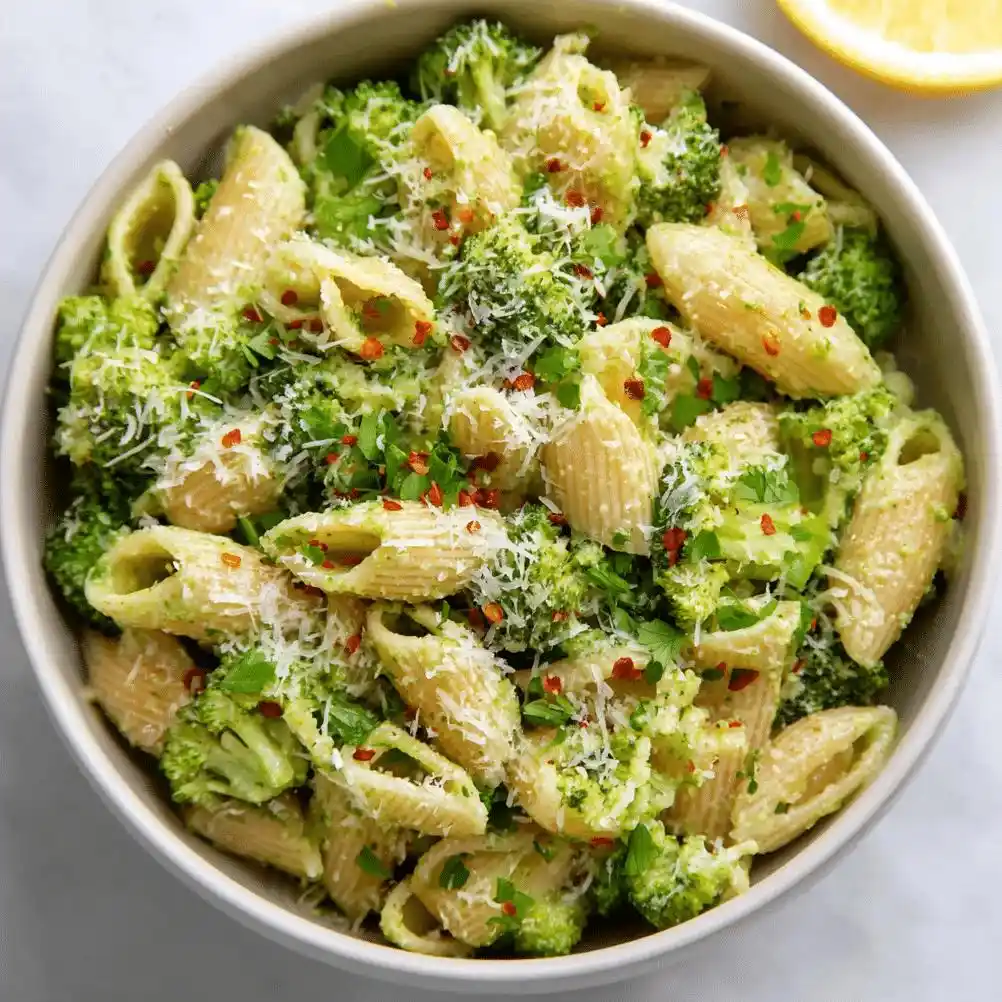

Easy Broccoli Chickpea Pasta Recipe (Ready in 30 Minutes)
Ingredients
Equipment
Method
- Bring a large pot of generously salted water to a boil. Dry the chickpeas, cut the broccoli into small florets, and thinly slice the garlic.
- Cook the pasta 2 minutes less than package directions. Reserve 1 cup of pasta water before draining.
- Heat 3 tablespoons olive oil in a large skillet over medium-high heat. Cook the broccoli for 4 to 5 minutes until tender with lightly charred edges.
- Push broccoli to the side. Add another tablespoon of oil and the chickpeas. Let them brown for 1 to 2 minutes. Add garlic and red pepper flakes and cook until fragrant and lightly golden.
- Add the drained pasta to the skillet. Pour in about one-third of the reserved pasta water and toss vigorously. Add more pasta water as needed to create a glossy sauce.
- Finish with lemon zest, lemon juice, salt, pepper, and a drizzle of olive oil. Toss well and serve immediately with optional Parmesan.