
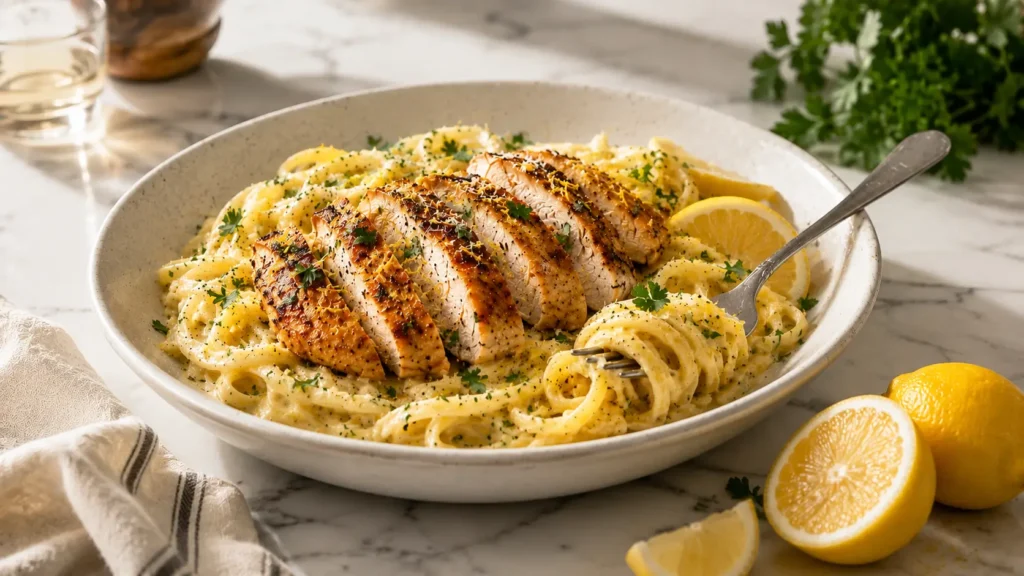
There’s this particular Tuesday evening I still think about. I had half a lemon sitting on my counter, two chicken breasts I’d defrosted without a plan, and about twenty minutes before everyone started wandering into the kitchen with that look — you know the one. Hungry, hopeful, slightly impatient. So I just… went for it. A skillet, some garlic, pasta water, and that lemon. What came out of that pan was honestly one of the best things I’d made in months. That was my first real version of Italian Lemon Chicken Pasta, and it’s been in my regular rotation ever since.
I’ve made it probably forty times since then. Sometimes with zucchini, sometimes a little creamier, sometimes stripped down to just the basics. Every time, people ask for the recipe. So here it is — properly written out, with all the things I’ve figured out, the one thing I completely got wrong the first few times, and every variation I’ve actually tested myself.
Why This Pasta Became My Weeknight Go-To
Look, I’ve cooked a lot of nice dinners to make at home, and most of them require either a long grocery list or way more time than a weeknight realistically allows. This one doesn’t. It uses things that are almost always already in my kitchen — chicken breasts or thighs, dry pasta, garlic, olive oil, a lemon, and Parmesan. That’s the core of it.
What makes it feel Italian isn’t some complicated technique. It’s the way the lemon and the pasta starchy water combine with olive oil to create a glossy, light sauce that coats every strand. There’s brightness without being sharp, richness without feeling heavy. The chicken gets golden and juicy in the same pan, and the whole thing smells like something you’d order at a trattoria on a warm evening in Rome — minus the flight and the jet lag.
It’s also genuinely one of those dinner recipes weeknight options that works just as well for guests as it does for a solo dinner with Netflix. I’ve served it for casual lunch recipes for guests twice now, with a salad and some crusty bread on the side, and people always think I planned something elaborate. That’s the kind of recipe I live for.
Ingredients You’ll Need
Here’s what goes into a solid, flavorful Italian Lemon Chicken Pasta for four servings:
For the chicken:
- 1.5 lbs (about 680g) boneless, skinless chicken breasts or thighs
- Salt, black pepper, and a pinch of red pepper flakes
- 1 teaspoon Italian seasoning
- 2 tablespoons olive oil
For the pasta and sauce:
- 12 oz (340 g) linguine, spaghetti, or fettuccine
- 4 garlic cloves, thinly sliced
- Zest and juice of 2 lemons (don’t skip the zest — it’s where most of the flavor lives)
- 1/3 cup heavy cream or half and half — either works beautifully
- 1/2 cup reserved pasta water (you’ll need this, so don’t dump it)
- 1/2 cup freshly grated Parmesan, plus more for serving
- A small handful of fresh parsley or basil
- 2 tablespoons butter
That’s really it. The quality of your lemon matters more than you’d expect — use fresh, not bottled. And if your lemons are a little thin on flavor, add more zest. The zest is almost always more intense than the juice, and it’s the part that gives the dish that authentic Italian lemon flavor people always notice.
How to Make Italian Lemon Chicken Pasta Step by Step
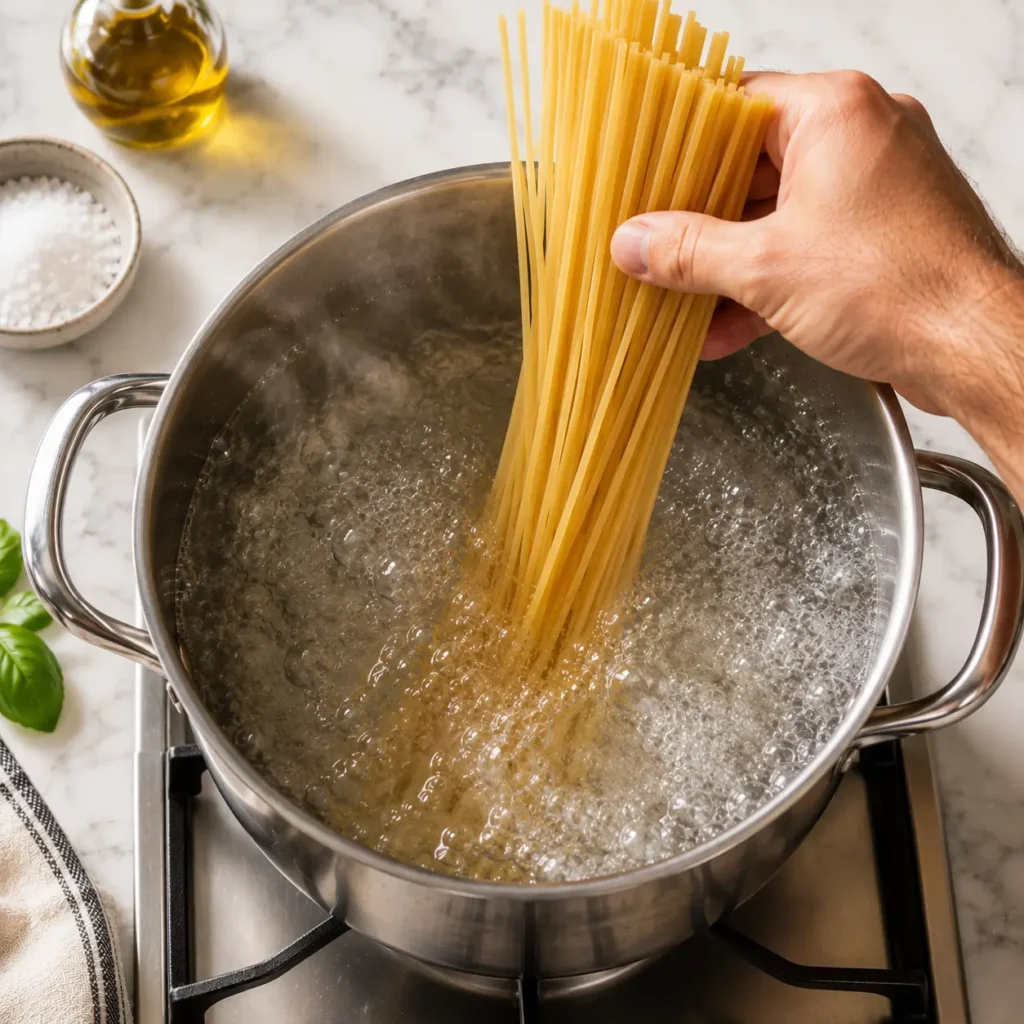
Step 1 — Cook your pasta. Get a big pot of well-salted water going first. I mean properly salted — it should taste faintly like the sea. Cook your pasta just shy of al dente, because it’ll finish cooking in the sauce. Before you drain it, pull out at least a cup of that starchy pasta water. Seriously, don’t forget this part. I forgot it once and had to add plain water instead, and the sauce just wasn’t the same. The starch is what helps everything bind together.
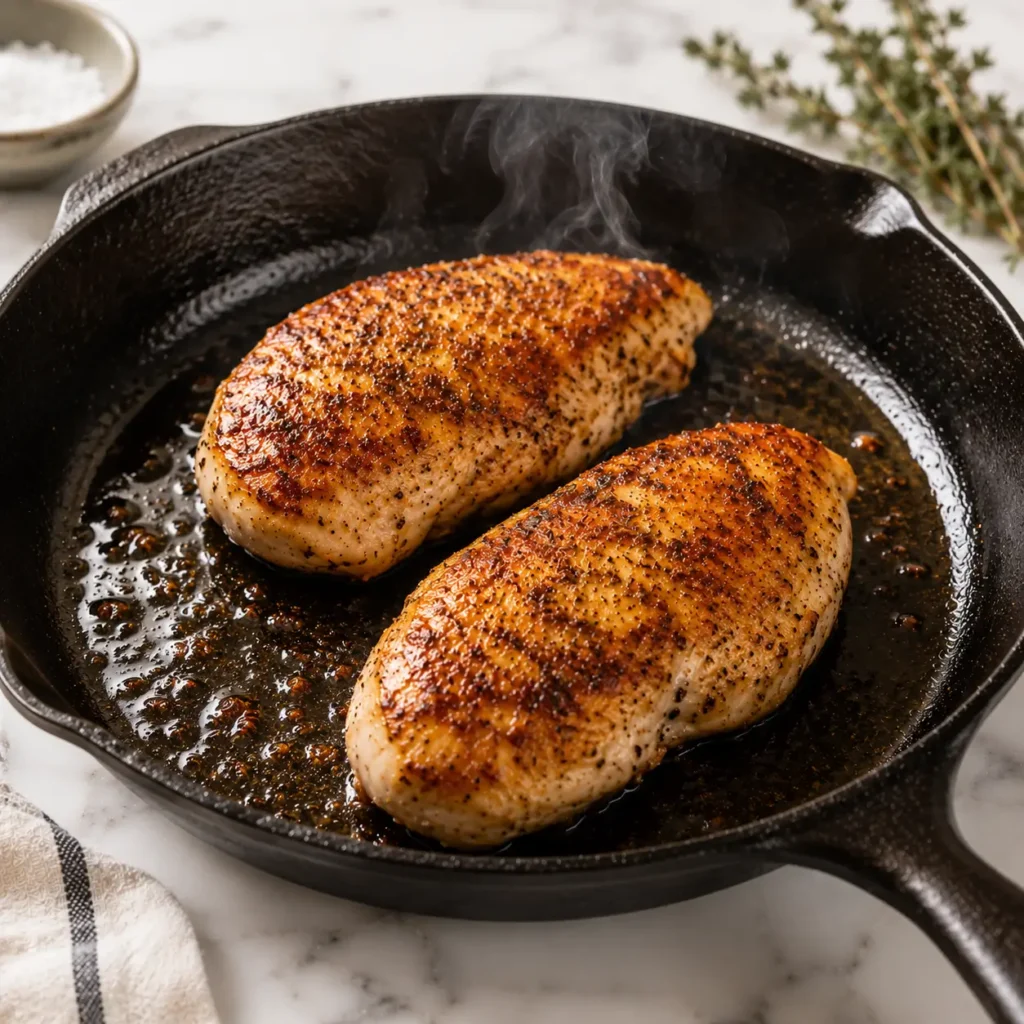
Step 2 — Season and sear the chicken. While the pasta cooks, pat your chicken dry (this is non-negotiable for a proper golden crust), season it generously, and heat your skillet over medium-high. Add olive oil, then lay in the chicken. Don’t touch it for four to five minutes — just let it sear. Flip once, cook through, then transfer it to a cutting board to rest. Slice it or cut it into chunks once it’s had a few minutes.
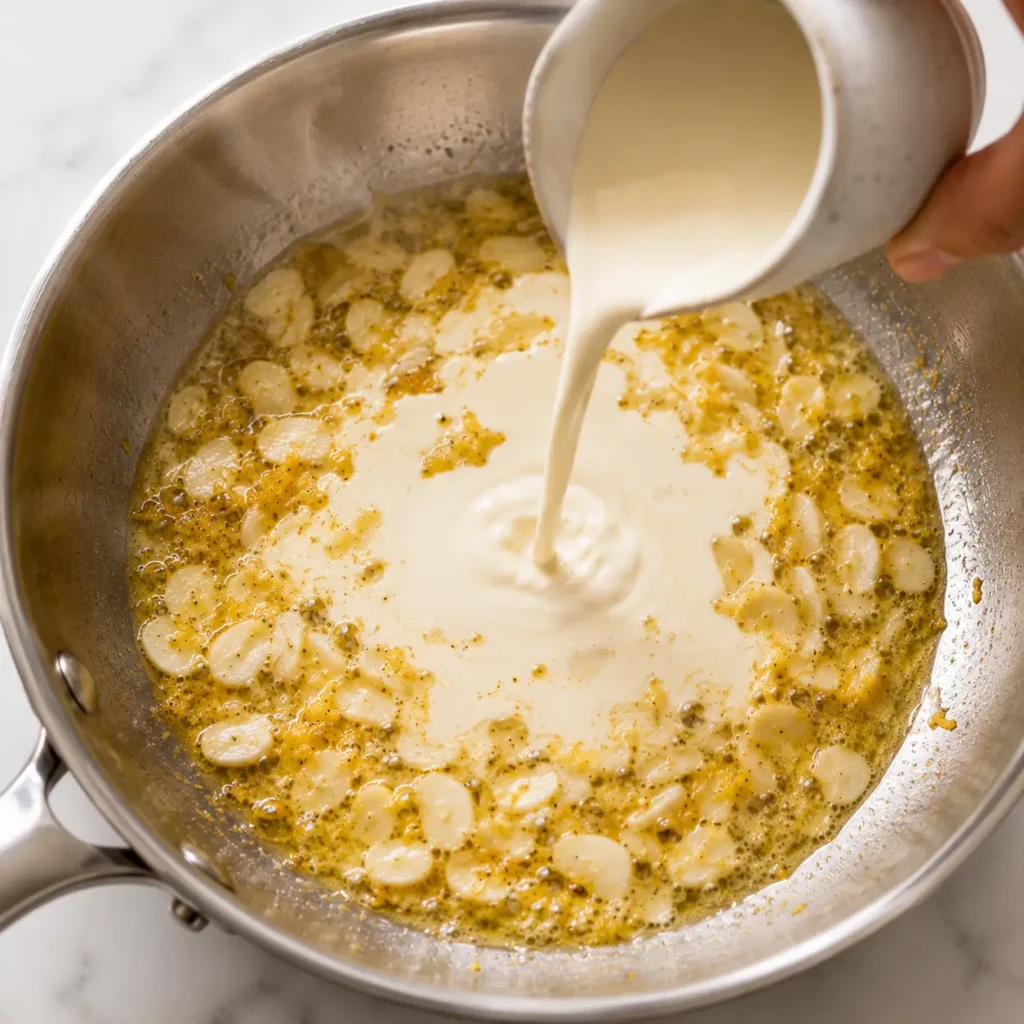
Step 3 — Build the sauce in the same pan. Lower the heat a little. Add the butter and garlic to the same skillet — all those golden bits from the chicken are pure flavor, don’t wash them away. Let the garlic soften for about 90 seconds. Add the lemon zest, then the cream or half and half. Stir in the pasta water, start with about 1/4 cup. Let it simmer for two minutes.
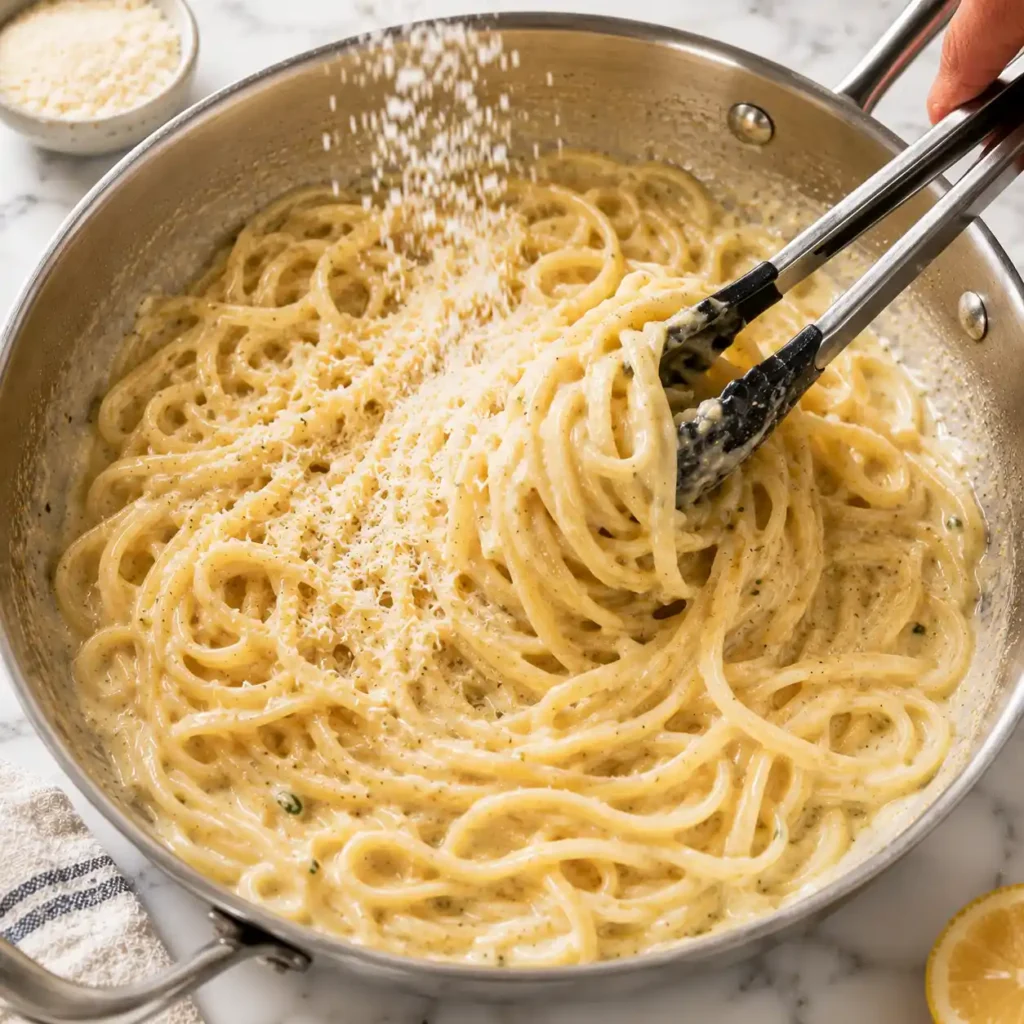
Step 4 — Finish it together. Add the drained pasta straight into the skillet, toss it in the sauce, add the lemon juice, Parmesan, and a bit more pasta water if it looks too thick. Toss everything together over low heat until the pasta is coated and glossy. Taste it — this is when you adjust salt and pepper. Nestle the chicken back in, scatter herbs over the top, and serve immediately.
Total time from start to plate: about 30 minutes. Sometimes 35 if my pasta water is slow to boil. But that’s it.
Pro Tips I Learned the Hard Way
Tip 1: Don’t add the lemon juice too early. This was my most embarrassing early mistake. I used to add both the zest and juice at the same time, right when I added the cream. What happened? The acid curdled the cream slightly, giving it a weirdly grainy texture. Not great. Now I always add the zest early (it blooms in the heat beautifully) and the juice only at the very end, off or barely on the heat. Smooth, silky sauce every time.
Tip 2: Rest your chicken before slicing. I know you’ve heard this a hundred times, but I still catch myself rushing it. If you slice into chicken the second it leaves the pan, all the juices spill out onto the cutting board instead of staying in the meat. Give it three to five minutes. The difference in texture is genuinely noticeable — juicy and tender versus a little dry and stringy.
Tip 3: Use more pasta water than you think. The sauce thickens fast as it sits, especially with the Parmesan in there. If your pasta looks like it’s starting to clump while you’re tossing, just splash in more pasta water and toss again. It loosens right up. This is honestly the single trick that makes home pasta cooking feel restaurant-level.
Oh — one more thing. If you can, use a wide skillet rather than a deep saucepan for this. More surface area means the sauce reduces more evenly and the pasta coats better. Little thing, but it matters.
Variations Worth Trying
One of the things I love about this recipe is how adaptable it is. The base is almost a formula you can riff on depending on what’s in your fridge.
Lemon Zucchini Chicken Pasta: This is probably my favorite summer version. I slice two small zucchinis into half-moons and sauté them in the pan right after the chicken comes out, before the garlic. They soften quickly, pick up the fond from the pan, and add a really nice, slightly sweet element that pairs beautifully with the lemon. It’s also a great way to use up zucchini before it goes soft. I call this my lemon zucchini chicken pasta version, and it genuinely tastes different — more garden-fresh, lighter somehow.
Creamy lemon chicken pasta: If you want something richer — more of a date-night dinner feel — double the cream and add a small splash of white wine after the garlic. Let it reduce for a minute before adding the pasta water. The result is luscious and still bright, not heavy. This one works perfectly as one of those yummy dinners with chicken that feels a little more special without being difficult.
Capers and olives version: Add a tablespoon of capers and a handful of Kalamata olives with the lemon juice at the end. It goes briny, salty, and very Italian. This version doesn’t need as much salt overall, so taste before you season.
Lighter, no-cream version: Skip the cream entirely and just use pasta water and a generous pour of good olive oil. Add an extra tablespoon of butter. It’s lighter and still incredibly satisfying — more of a classic aglio e olio vibe with lemon and chicken added in.
Ingredient Swaps That Actually Work
Real life happens,s and you don’t always have every ingredient. Here’s what I’ve personally tested and can vouch for:
Chicken thighs instead of breasts: Actually my preference, honestly. They’re more forgiving, harder to overcook, and have more flavor. They do take a minute or two longer to cook through, so adjust accordingly.
Half and half instead of heavy cream: Works great and makes the dish a little lighter. Meals with half and half are often underestimated — the sauce is a little thinner but still coats the pasta well, especially once you add the Parmesan and pasta water.
Pasta shape: I’ve made this with linguine, spaghetti, fettuccine, penne, and rigatoni. Long pasta gives you more of that classic Italian feel. Short pasta like penne is great if you want something that’s easier to eat and holds up better when reheated.
Parmesan alternatives: Pecorino Romano works beautifully here — it’s saltier and sharper, which actually plays nicely with the lemon. Grana Padano is another good option. Just avoid pre-shredded cheese from a bag; it has anti-caking agents that make the sauce grainy.
No fresh lemons? Look, fresh is really better here, but in a pinch: 2 tablespoons of bottled lemon juice plus 1/2 teaspoon of lemon zest (the dried kind) will get you somewhere close. Just don’t tell me you did it.
Storing Leftovers and Serving Ideas
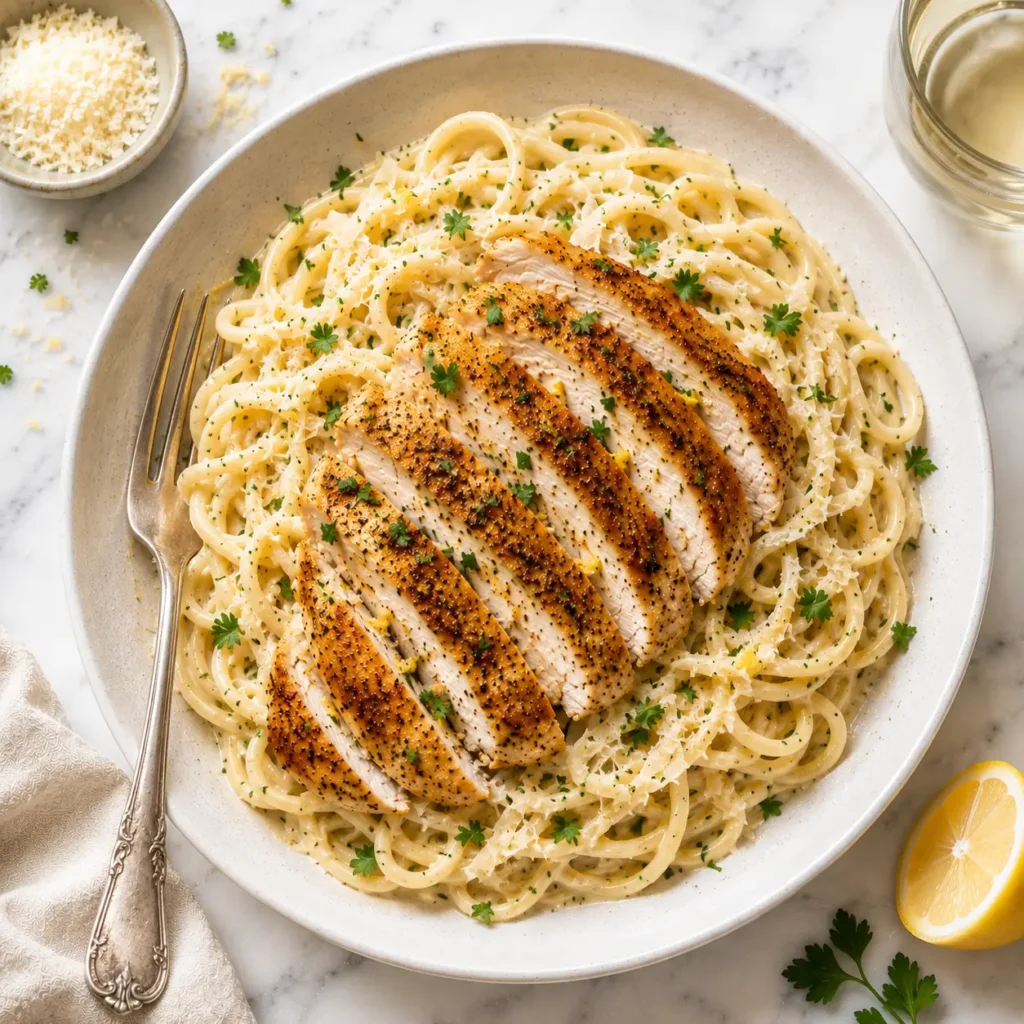
Creamy pasta is always a little tricky to store because the sauce tends to get absorbed as it sits. What I do: transfer leftovers to an airtight container, and when you reheat, add a splash of water or broth (or more pasta water if you saved it — good habit) and gently warm it over low heat on the stovetop. Microwave works too, just add that splash of liquid and cover it loosely. It comes back to life really well. Keeps for up to three days in the fridge.
Freezing? I’d skip it. The cream-based sauce tends to separate when frozen and thawed, and the pasta texture suffers. It’s better just to make a fresh batch.
What to serve alongside it: Honestly, a simple arugula salad with lemon vinaigrette and shaved Parmesan is my go-to. It mirrors the lemon notes without being redundant. Garlic bread is never wrong. A glass of Pinot Grigio or Sauvignon Blanc if you’re doing a proper, nice dinner to make at home — both complement the citrus without fighting it.
If you’re serving this as a lunch recipe for guests, go slightly lighter on the pasta and serve it alongside a charcuterie board to start. It feels effortlessly put-together that way.
Frequently Asked Questions
Can I use pre-cooked or rotisserie chicken?
Absolutely, and honestly, it’s a great shortcut on really busy nights. Just shred or slice the rotisserie chicken and add it at the very end when you’re tossing the pasta in the sauce — you just want to warm it through, not cook it again. You’ll miss the golden sear, but the flavor of the sauce still carries the dish.
Why does my sauce look greasy or broken?
This usually happens when the heat is too high when you add the cream, or when the Parmesan goes in while the pan is too hot. Always lower the heat before adding dairy, and take the pan off the heat entirely before stirring in the Parmesan. The residual heat is enough to melt it without causing it to separate.
Can I make this Italian Lemon Chicken Pasta ahead of time?
You can prep components ahead — cook and slice the chicken, grate the Parmesan, zest and juice the lemons, and store them separately. But I’d cook the pasta fresh. Pre-cooked pasta sitting in sauce gets too soft, and the texture suffers. If you absolutely need to prep it fully, undercook the pasta significantly so it doesn’t turn to mush when reheated.
Is this recipe good for meal prep?
It works for two to three days in the fridge, but it’s not my top meal-prep pick because of the cream. If you want something that holds up better across the week, try the no-cream version with just olive oil and pasta water — it reheats more cleanly,y and the lemon flavor actually stays brighter over time.
How do I make it gluten-free?
Swap in your favorite gluten-free pasta — chickpea pasta and brown rice pasta both work well here. Just know that they can get mushy faster than wheat pasta, so pull them from the water a minute earlier than the package says and don’t over-toss them in the hot skillet.
What’s the best pasta shape for this dish?
Linguine is my personal favorite — it twirls beautifully and holds the light lemon sauce really well. Fettuccine gives you something a little heartier if you’re going for the creamy version. For a weeknight dinner recipe where you want something quicker to eat and easier to portion, penne or rigatoni are both solid choices and reheat slightly better.
Can I add vegetables to this?
Yes — and I encourage it. Zucchini (as in the lemon zucchini chicken pasta variation above), baby spinach stirred in at the very end, asparagus cut into bite-sized pieces and sautéed with the garlic, cherry tomatoes added with the cream — all of these work. Just don’t overcrowd the pan, or everything starts to steam instead of sear.
There’s something really satisfying about a recipe that started as a total improvisation and turned into one of the most reliable things in your kitchen. That’s what Italian Lemon Chicken Pasta is for me — easy enough for a Tuesday, good enough to serve company, and flexible enough to never get boring.
I’d love to know which version you end up making first — the creamy classic, the zucchini one, or something else entirely. Did you swap anything, add something unexpected, or discover a combination I haven’t tried yet? Drop it in the comments. You might end up inspiring my next weeknight dinner.
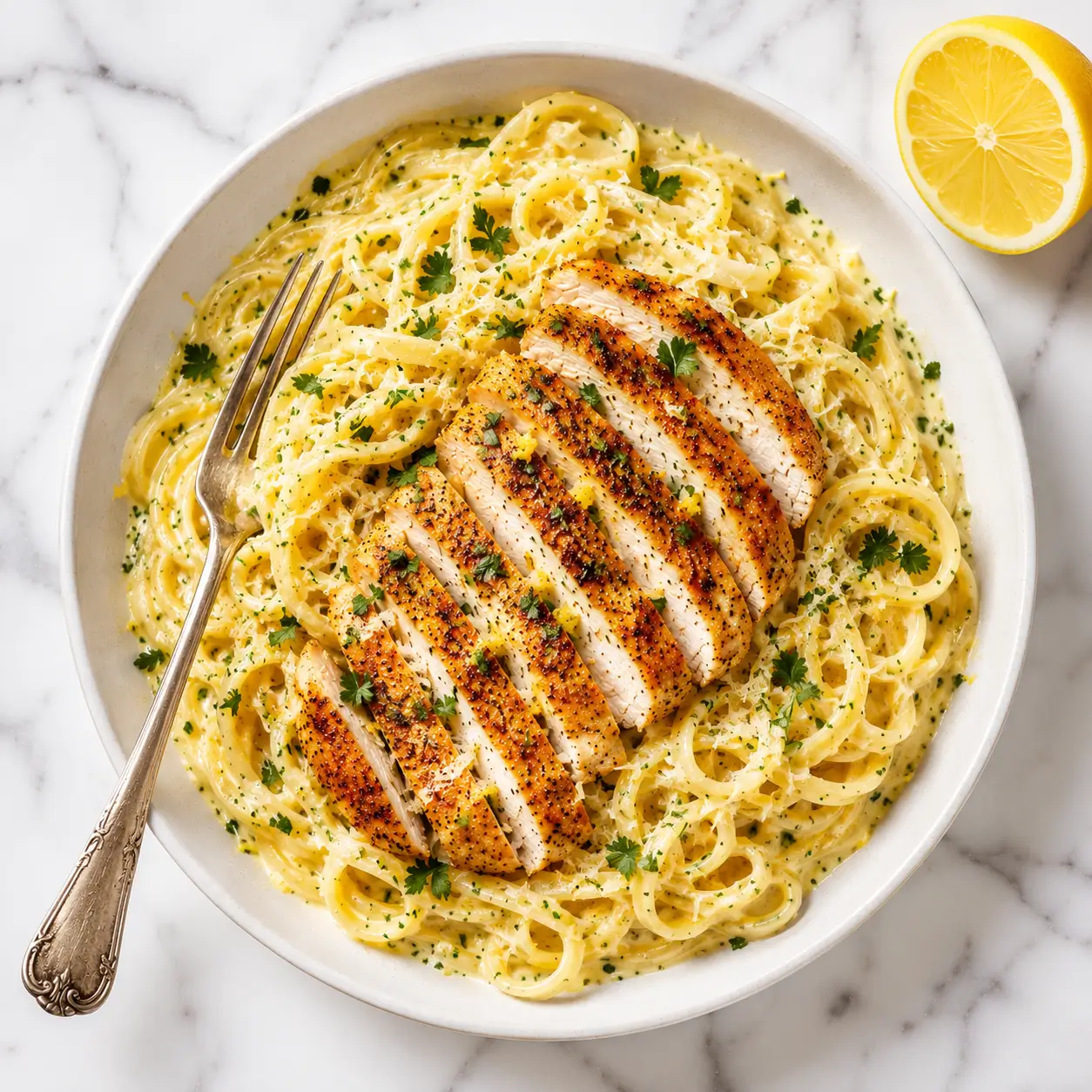

Italian Lemon Chicken Pasta
Ingredients
Equipment
Method
- Bring a large pot of well-salted water to a boil. Cook the pasta just shy of al dente so it can finish in the sauce. Before draining, reserve at least 1 cup of the starchy pasta water, then drain the pasta and set it aside.
- While the pasta cooks, pat the chicken dry and season it generously with salt, black pepper, red pepper flakes, and Italian seasoning. Heat the olive oil in a skillet over medium-high heat. Add the chicken and sear without moving for 4–5 minutes, then flip and cook through. Transfer to a cutting board, rest for a few minutes, then slice or cut into chunks.
- Lower the heat slightly. In the same skillet, add the butter and sliced garlic, scraping up the golden bits from the chicken. Cook for about 90 seconds, until the garlic softens. Add the lemon zest, then stir in the heavy cream or half and half. Add about 1/4 cup of the reserved pasta water and let the sauce simmer for 2 minutes.
- Add the drained pasta to the skillet and toss it in the sauce. Stir in the lemon juice, Parmesan, and more reserved pasta water as needed until the pasta is glossy and coated. Taste and adjust salt and pepper. Nestle the sliced chicken back into the pasta, scatter fresh parsley or basil over the top, and serve immediately with extra Parmesan.