
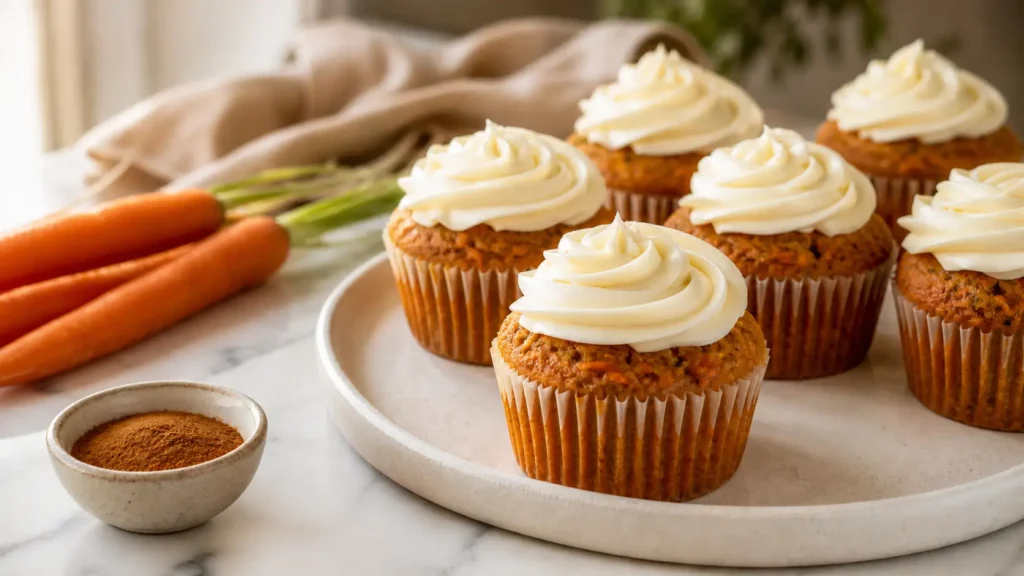
So there I was, standing in the kitchen on a drizzly Saturday morning, with a bunch of carrots I’d bought three days earlier and absolutely no plan. I’d been craving carrot cake — that warm, spiced, cozy kind — but honestly? Making a whole cake felt like a commitment I wasn’t ready for. And then it clicked. Vegan carrot cake cookies. All those flavors, no layers to stack, no frosting disaster to clean off the ceiling. Just soft, spiced, pillowy little things that smell incredible coming out of the oven. I made a test batch that same afternoon and stood over the baking sheet, eating three of them before they even cooled properly. No regrets.
These are now my go-to for everything from lazy weekend baking to a crowd-pleasing addition to a vegan brunch spread. And yes, they are completely egg-free and dairy-free — no strange substitutes, no flax eggs, nothing that requires a specialty store. Just real, simple ingredients doing their job really well.
Why These Vegan Carrot Cake Cookies Actually Work
Okay, so a lot of people assume that baking without eggs means you’re always compensating, always adding something weird to hold things together. And sometimes that’s true! But carrot cookies are kind of a special case. The carrots themselves add moisture and a little binding quality, which means the dough holds up beautifully without any egg at all. The natural sugars in the carrot also help with that slightly chewy edge and soft center — which is honestly the whole point.
What you get is a dairy-free egg-free dessert that doesn’t taste like it’s missing anything. The texture is thick and soft, not cakey-dry, not crunchy-hard. Somewhere perfectly in the middle. And the warm spices — cinnamon, ginger, a little nutmeg — do exactly what they do in a classic carrot cake. The whole kitchen smells like autumn wrapped up in spring, which is a weird thing to say but genuinely accurate.
I also want to mention: these make a really lovely, healthy Easter treat, and they work just as well tucked into a lunchbox on a regular Tuesday. They’re not overly sweet, which means they feel more snack-y than dessert-y. Though if you slather them in a cream cheese-style frosting, they absolutely cross into dessert territory. More on that later.
The Ingredients — Honest Notes Included
You don’t need a long shopping list for this recipe. Here’s what actually goes into them and why each one matters:
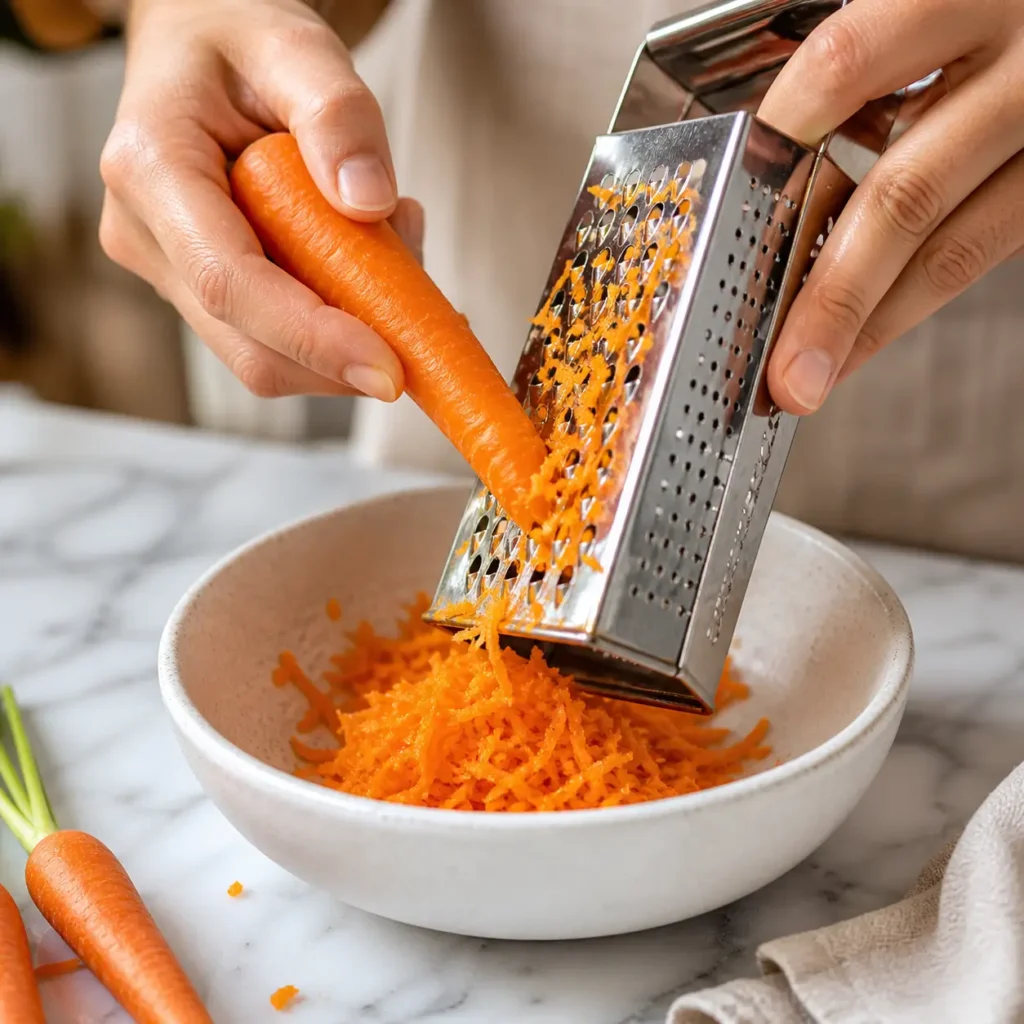
Fresh carrots, finely grated. This is probably the most important thing I can tell you: grate them yourself, fine side of the box grater. Pre-shredded carrots from a bag are too dry and too coarse, and they don’t melt into the dough the same way. When you grate fresh carrots finely, those orange shreds almost disappear into the cookie — you get the flavor and moisture without chewy carrot chunks in every bite. It’s a small thing that makes a noticeable difference.
Vegan butter, room temperature. Not melted, not straight from the fridge. Room temperature means it yields to a light press of your finger, but doesn’t look greasy or shiny. I know that sounds fussy, and it kind of is, but it matters — I’ll get to why in the tips section.
Brown sugar brings depth and a slight molasses warmth that white sugar just can’t replicate here. Don’t swap it out unless you have to.
Ground cinnamon, ginger, and nutmeg. The classic carrot cake spice trio. Don’t skip the nutmeg even if it feels optional — it adds that little background warmth that ties everything together.
All-purpose flour. Measured carefully, please. Too much flour and the cookies won’t spread; they’ll just puff up and stay cakey. Too little and they’ll spread into flat, sad discs. If you’re using cups rather than a scale, spoon the flour into the cup and level it off — don’t scoop directly from the bag.
Baking powder and a pinch of salt. Standard stuff. The salt in particular wakes up all the spices, so don’t leave it out thinking it won’t matter. It will.
Optional but worth it: a splash of vanilla extract, and if you want a little texture contrast, some raisins or chopped walnuts — though keep in mind if you’re making a nut-free dessert, skip the walnuts entirely. The recipe is delicious without them.
How to Make Vegan Carrot Cake Cookies, Step by Step
Start by beating your room-temperature vegan butter and brown sugar together until the mixture looks pale and a little fluffy. This takes maybe two to three minutes with a hand mixer. Then add your finely grated carrots — squeeze out a little of the excess moisture with your hands first if they seem very wet — and mix again.
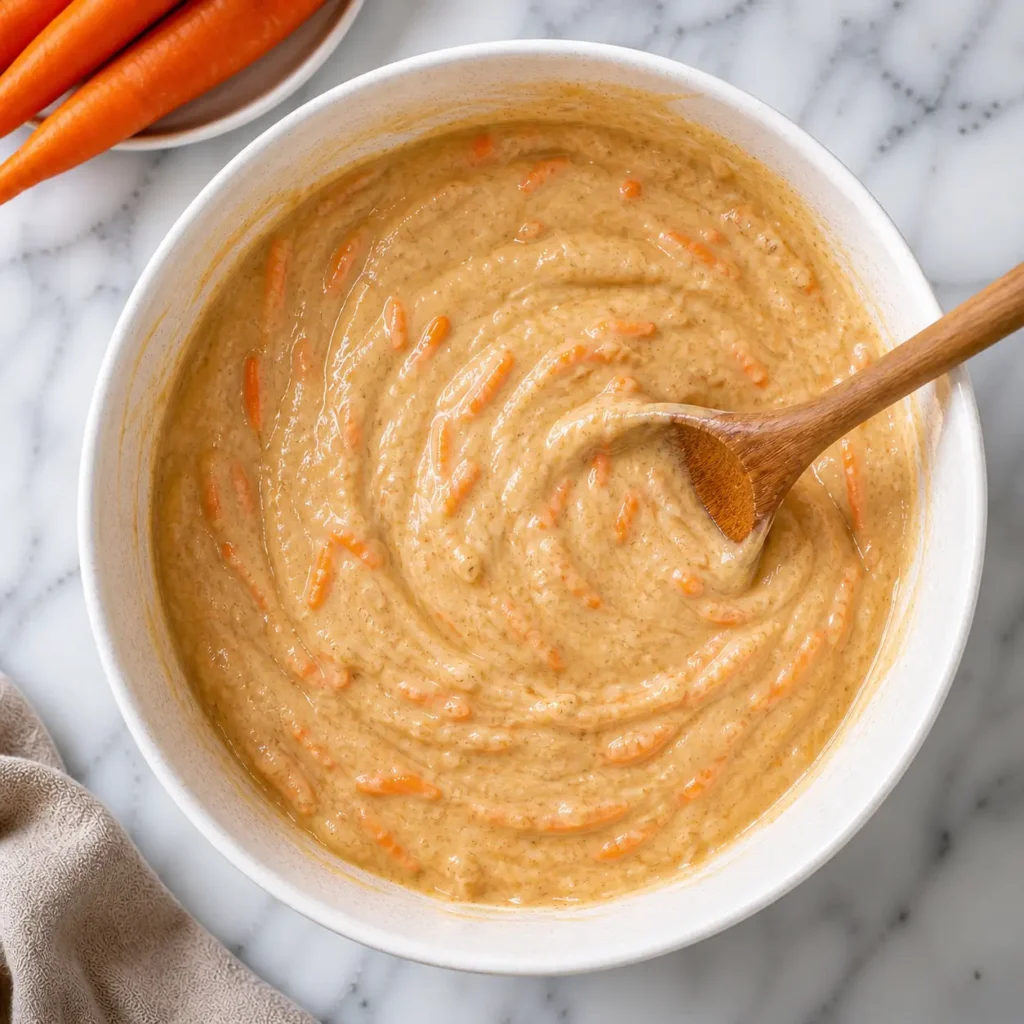
Add the vanilla if using, then sift in the flour, baking powder, salt, and all your spices. Mix until just combined. The dough will be soft and slightly sticky, which is exactly right. Don’t be tempted to add more flour — it’ll firm up a bit as it sits.
Here’s a step I honestly used to skip and then regretted: refrigerate the dough for at least 30 minutes. I know. It’s extra time. But chilled dough holds its shape in the oven, and you get that thick, slightly domed cookie rather than a flat, spread-out disc. Worth it every single time.
Scoop the dough into balls — a cookie scoop works perfectly here since the dough is tacky — and place them on a lined baking sheet with a bit of space between each one. They will spread, just not dramatically. Bake at 350°F (175°C) for about 12 to 14 minutes, until the edges look set and just barely golden. They’ll look slightly underdone in the center when you pull them out, and that’s fine. That’s actually the goal. They firm up as they cool.
Let them cool on the baking sheet for five minutes before moving to a wire rack. Resist eating them immediately. (I never manage to resist, but I’m telling you anyway.)
Three Things I Learned the Hard Way
Right, so the first time I made these, my butter was too soft. Like, almost melting soft because the kitchen was warm and I’d left it out too long. The cookies spread into thin, crispy rounds that tasted fine but were absolutely not what I was going for. Lesson one: butter temperature is not optional. If your butter looks greasy or is starting to collapse, stick it in the fridge for ten minutes before you start.
Lesson two: don’t skip the chill time. I already mentioned it above, but it bears repeating because I skipped it twice before I accepted it was necessary. Cold dough, thick cookies. Warm dough, flat cookies. That’s just physics.
Lesson three: grate the carrots fresh every time. I tried using pre-shredded once out of laziness, and the texture of the cookies was noticeably drier. Fresh carrots have more moisture and a finer shred, and it genuinely changes the result. Ten extra minutes of grating is worth it — put on a podcast, and it flies by.
Oh — and one more thing I keep forgetting to mention until it’s too late: if you’re adding raisins, soak them in warm water for ten minutes first. Plumped raisins in a cookie are little bursts of sweetness. Dry raisins are chewy distractions. Small detail, big payoff.
Variations to Play Around With
The base recipe is wonderful on its own, but here’s where it gets fun. These work really well as part of a vegan baked goods spread when you offer a couple of versions side by side.
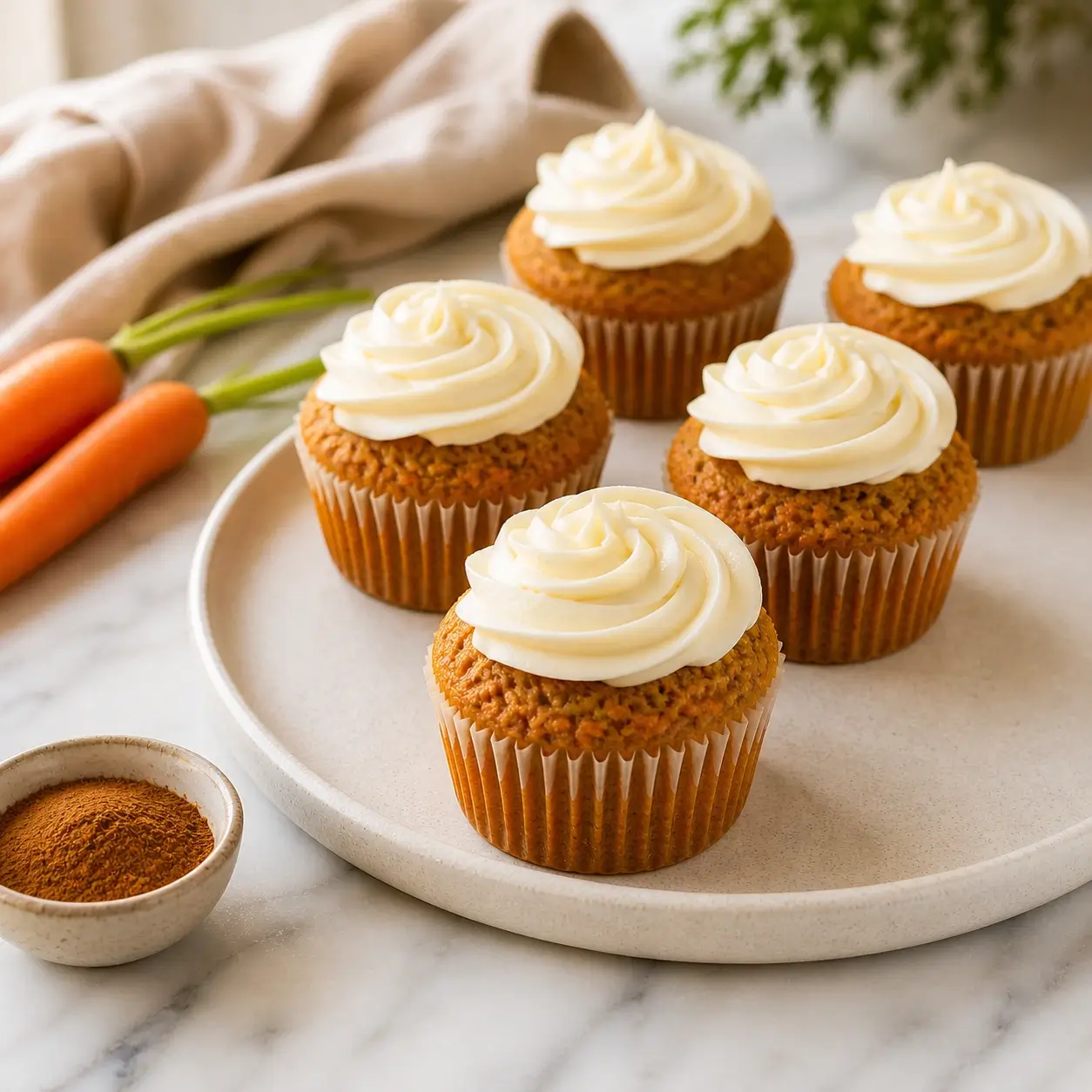
For a cream cheese frosting situation: whip together vegan cream cheese, powdered sugar, a drop of vanilla, and a squeeze of lemon. Pipe or spread it on top of cooled cookies. They become something else entirely — more dessert, more impressive, perfect for an Easter table or a vegan brunch spread.
For a spiced glaze instead: mix powdered sugar with a little oat milk and a pinch of cinnamon until it’s pourable, then drizzle it over the cookies. Simple, pretty, and adds just enough sweetness without hiding the spiced cookie underneath.
For a coconut version: fold in a small handful of unsweetened shredded coconut with the dough. It adds a subtle chew and a faint tropical note that works surprisingly well with the warm spices.
And if you want to make them gluten-free, a one-to-one gluten-free flour blend works here, though the texture will be slightly more crumbly. Still very good, just a little more delicate.
Storage and Serving
These keep well at room temperature in an airtight container for about three days. After that, they start to dry out a little, though they’re still perfectly fine to eat. If you’ve frosted them, keep them refrigerated.
For longer storage, the baked, unfrosted cookies freeze really well. Layer them between pieces of parchment in a freezer-safe container and freeze for up to two months. Thaw at room temperature for an hour or so. They taste fresh, honestly — sometimes I make a double batch specifically to have frozen cookies ready for the week.
You can also freeze the raw dough balls. Freeze them on a baking sheet until solid, then transfer to a bag. Bake from frozen, adding two or three extra minutes to the bake time. This is my favorite method for having fresh-baked dairy-free sweets with almost zero effort on a random evening.
Frequently Asked Questions About Vegan Carrot Cake Cookies
Can I make these vegan carrot cake cookies gluten-free?
Yes — use a one-to-one gluten-free all-purpose flour blend. The texture will be slightly more crumbly, but the flavor is just as good. Just make sure your baking powder is certified gluten-free, too.
Do I need an egg replacer?
No, you don’t. The finely grated carrots provide enough moisture and binding that no egg or egg substitute is needed. These are naturally egg-free baked goods without any workarounds.
My cookies came out flat. What went wrong?
Most likely,y your butter was too warm, or you skipped the chilling step. Warm butter spreads faster than it sets in the oven, which leads to flat cookies. Try chilling the dough for at least 30 minutes (or even overnight) and make sure your butter is properly room-temperature — soft but not greasy.
Can I use a different sugar?
Brown sugar works best here for flavor depth. Coconut sugar is a great swap and gives a slightly more caramel-y note. White sugar works, but the cookies will taste a little less complex. Maple syrup or liquid sweeteners will change the dough consistency significantly, so I’d avoid those unless you’re adjusting other quantities too.
How do I keep the cookies soft after baking?
Store them in an airtight container as soon as they’ve cooled. A slice of bread in the container helps keep them soft — the cookies absorb moisture from the bread and stay pillowy for longer. Sounds odd, but it works.
Are these good for meal prep or making ahead?
Absolutely. They’re one of the best healthy dessert recipes for making ahead because they actually improve slightly after sitting overnight — the spices meld, and the texture settles into something even better. Make them the day before,e and you’ll be glad you did.
Can I add protein powder to make them more nutritious?
You can replace up to about a quarter of the flour with a plain or vanilla-flavored plant-based protein powder. Just know that the texture will be denser, and the cookies may not spread as much. Start with a small amount to see how you like the result before going all in.
Alright — if you’ve made it this far, I want to know: do you go classic and leave these plain, or are you a frosting person? And if you do frost them, what’s your go-to vegan cream cheese? I’ve tried a few different brands, and they genuinely vary a lot more than you’d expect — drop your recommendations in the comments, I’m always looking for a new favorite.
Vegan Carrot Cake Cookies
Ingredients
Equipment
Method
- In a large bowl, beat the room-temperature vegan butter and brown sugar together using a hand mixer for 2 to 3 minutes, until pale and slightly fluffy.
- Finely grate your fresh carrots on the fine side of a box grater. If they seem very wet, squeeze out a little excess moisture with your hands. Add to the butter mixture and mix until combined.
- Add the vanilla extract and mix briefly.
- Sift in the flour, baking powder, salt, cinnamon, ginger, and nutmeg. Mix until just combined — do not overmix. The dough will be soft and slightly sticky. Fold in any optional add-ins now if using.
- Cover the bowl and refrigerate the dough for at least 30 minutes. Do not skip this — chilled dough gives thick domed cookies instead of flat ones.
- Preheat your oven to 175°C (350°F). Line one or two large baking sheets with parchment paper.
- Use a cookie scoop or damp hands to portion the dough into balls of roughly 45g each. Place them on the lined sheets at least 5 cm apart — they will spread a little.
- Bake for 12 to 14 minutes, until edges are just set and barely golden. The centers will look slightly underdone — that is correct. They firm up as they cool.
- Leave cookies on the baking sheet for 5 minutes, then transfer carefully to a wire rack to cool completely before frosting.
- Beat the softened vegan cream cheese until smooth. Add sifted powdered sugar, vanilla extract, and lemon juice and beat until light and fluffy.
- Transfer to a piping bag or use a small spatula to frost completely cooled cookies. Never frost warm cookies — the frosting will slide off.